
5 Common Electrical Myths Busted: What You Need to Know


Electricity is an essential part of our daily lives, powering everything from our lights to our devices. However, despite its ubiquity, several myths about electricity persist. These misconceptions can lead to inefficient energy use and even safety hazards. It’s time to shed some light on these myths and provide the accurate information you need.
Myth 1: Turning Off Appliances Stops Energy Use
Many people believe that simply turning off an appliance means it’s no longer using electricity. Unfortunately, this isn’t always the case. Many modern devices continue to draw power even when switched off. This is known as "phantom load" or "vampire power."
To truly cut off power consumption, unplug devices or use a power strip to turn them off completely. This can help you save energy and reduce your electricity bill.

Myth 2: Low Voltage Is Safer
It’s a common belief that low voltage equals safety. While it’s true that lower voltage can be less dangerous, it’s not entirely risk-free. Low-voltage systems can still cause harm due to the current they carry. The key factor is the amperage, not the voltage.
Always exercise caution and follow proper safety protocols when working with any electrical system, regardless of its voltage.
Myth 3: Rubber Gloves Insulate Against Electricity
While rubber is indeed an insulator, not all rubber gloves offer protection against electrical shocks. Household rubber gloves may not provide sufficient insulation. For electrical work, specialized rubber insulating gloves designed for electrical use are essential.
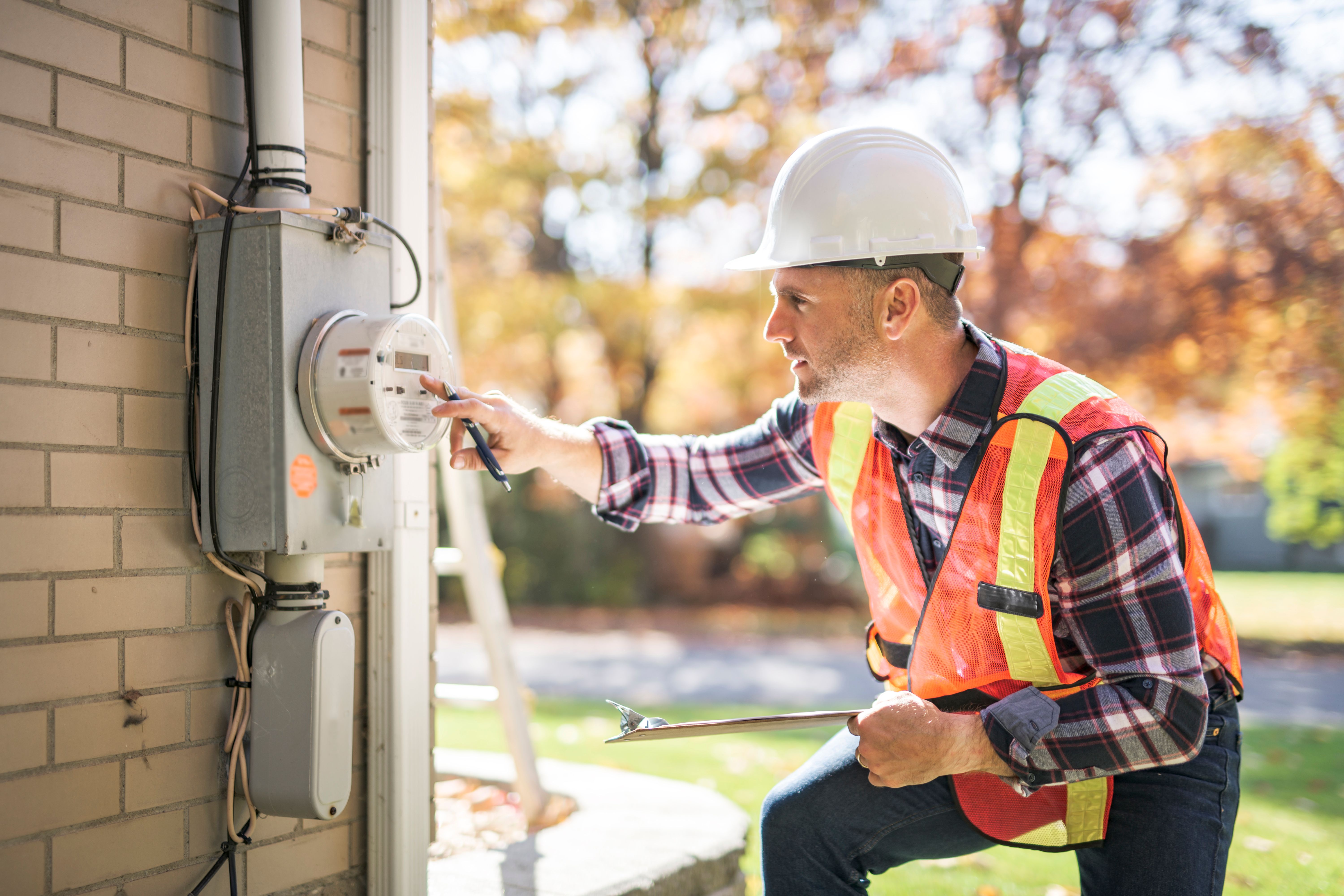
Ensure that the gloves are rated for the voltage you’re dealing with and regularly check them for wear and tear.
Myth 4: Electrical Fires Can Be Put Out with Water
Water and electricity are a dangerous combination. Using water to extinguish an electrical fire can lead to electrical shock or spread the fire. Instead, use a fire extinguisher rated for electrical fires, commonly labeled as Class C extinguishers.
If you encounter an electrical fire, prioritize safety by turning off the power source if possible and evacuating the area before calling emergency services.

Myth 5: DIY Electrical Work Is Easy
With a plethora of online tutorials, it may seem tempting to tackle electrical projects yourself. However, improper handling of electrical systems can result in serious injury or damage. Electrical work often requires professional knowledge and compliance with local codes and regulations.
For any significant electrical work, it’s wise to hire a licensed electrician to ensure safety and compliance.
By debunking these common electrical myths, you’re better equipped to handle electricity safely and efficiently. Remember, when in doubt, consult with a professional to avoid unnecessary risks.