
A Case Study in Efficient Home Electrical Installations


Introduction to Efficient Home Electrical Installations
In modern home construction and renovation, efficient electrical installations are crucial for both safety and functionality. A well-planned electrical system not only ensures the smooth operation of devices and appliances but also contributes to energy conservation and cost savings.
Planning for Efficiency
The first step in achieving an efficient home electrical installation is meticulous planning. This involves assessing the specific needs of the household, including the number and type of appliances, lighting requirements, and potential future expansions. A detailed plan helps avoid unnecessary modifications and ensures the system can handle the household's demands.
Load Calculation and Circuit Design
Accurate load calculation is essential for designing circuits that can handle the power requirements without overloading. This process involves calculating the total wattage of appliances and dividing them across multiple circuits to ensure balanced distribution of power. Proper circuit design can prevent common issues like tripped breakers and electrical fires.
Choosing the Right Materials
Selecting high-quality materials is another critical aspect of efficient electrical installations. Using the right gauge of wire, reliable circuit breakers, and durable outlets ensures longevity and safety. Investing in quality materials upfront can lead to significant savings in maintenance and repair costs over time.

Energy-Efficient Components
Incorporating energy-efficient components, such as LED lighting, smart thermostats, and energy-star rated appliances, can drastically reduce electricity consumption. These components not only lower utility bills but also contribute to a smaller carbon footprint, aligning with sustainable living goals.
Implementation and Inspection
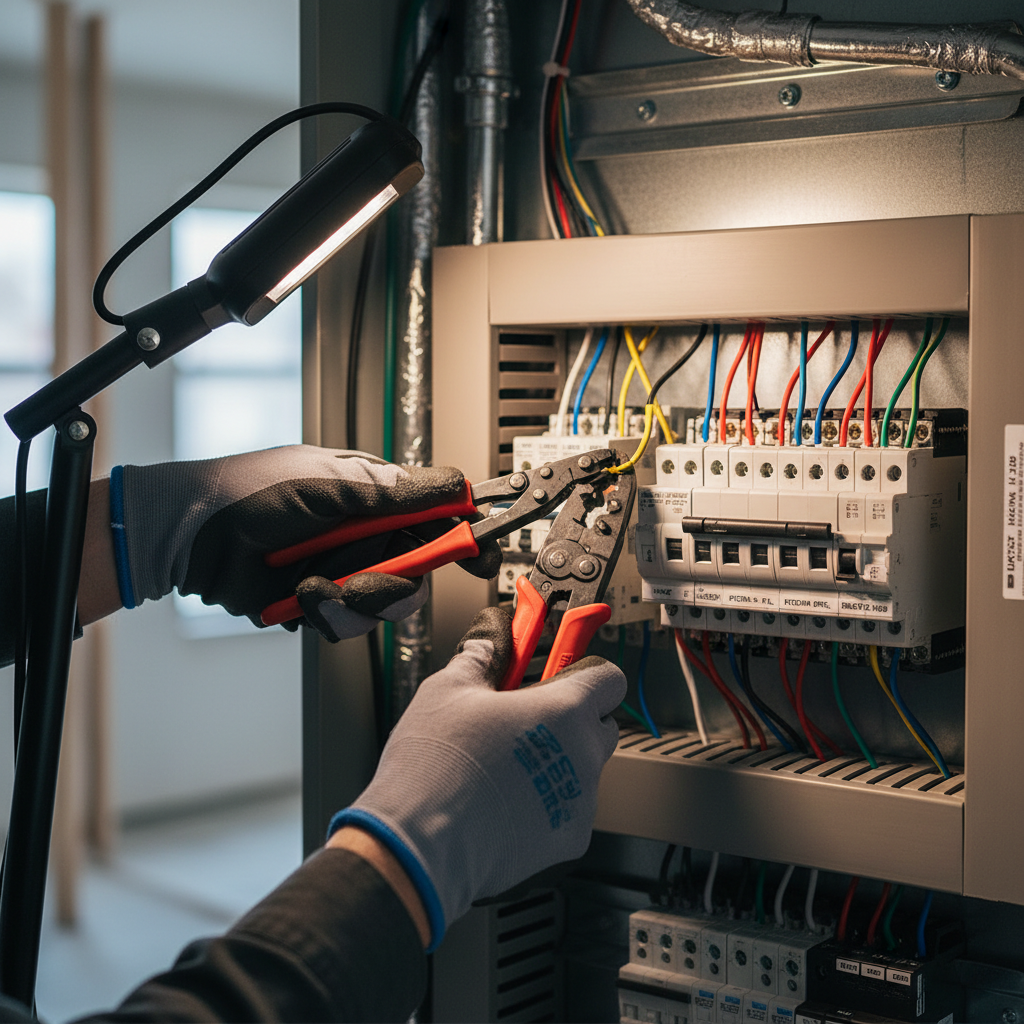
Once planning and material selection are complete, the next step is the actual implementation. Hiring certified professionals to handle installations ensures compliance with local codes and standards, minimizing the risk of errors and hazards. Furthermore, a thorough inspection post-installation verifies the system's safety and efficiency.
Regular Maintenance and Upgrades
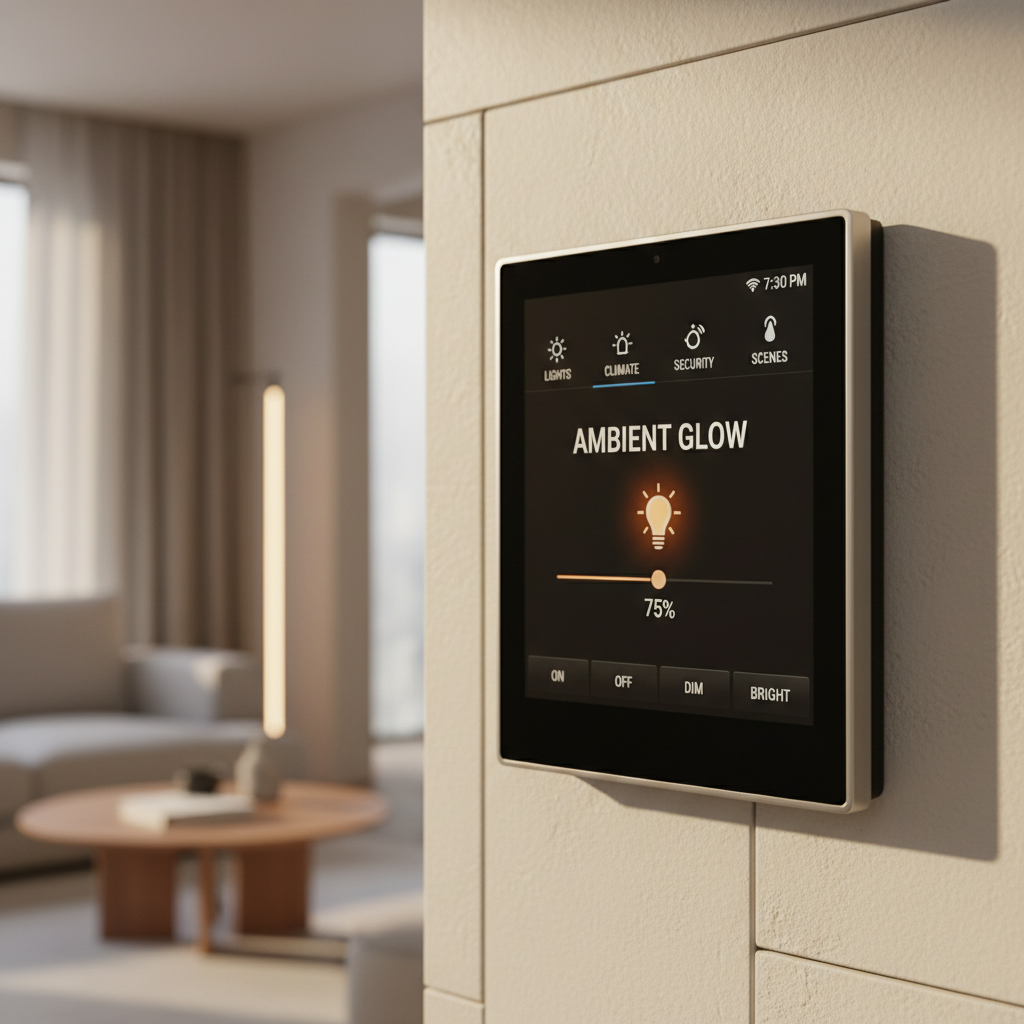
Regular maintenance is vital to keep the electrical system running smoothly. This includes checking for wear and tear, ensuring connections are secure, and replacing outdated components. Periodic upgrades can also enhance efficiency, such as integrating smart home technologies that offer better control over energy usage.
Case Study: A Real-Life Application
Consider a recent project where a family decided to renovate their 20-year-old home with a focus on efficient electrical installations. By employing the strategies mentioned above, they were able to reduce their electricity bills by 30% while enhancing the functionality of their home.
Lessons Learned and Best Practices
The key takeaway from this case study is the importance of a comprehensive approach to electrical installations. From planning to implementation and maintenance, every step plays a vital role in achieving efficiency. Homeowners should prioritize working with experienced professionals and investing in quality materials to ensure lasting benefits.
Conclusion
Efficient home electrical installations are a combination of strategic planning, proper material selection, and skilled execution. By following best practices and learning from real-life applications, homeowners can create safe, functional, and energy-efficient living environments.