
Comprehensive Guide to Electrical Safety for Homeowners


Understanding Electrical Safety Basics
Electricity is a powerful and essential part of modern life, but it can also be dangerous if not handled properly. As a homeowner, it's crucial to understand the basics of electrical safety to protect your home and family. This guide will provide you with the necessary knowledge to maintain a safe electrical environment.
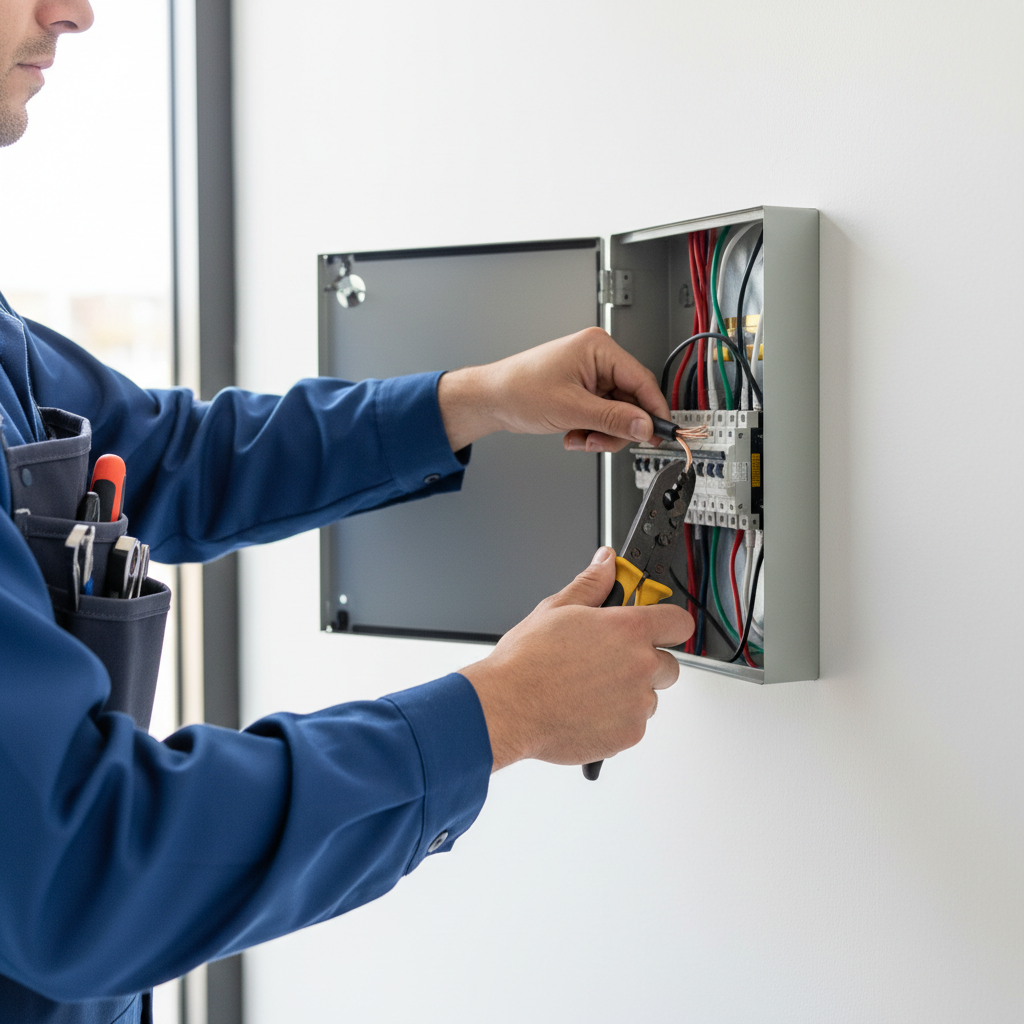
First and foremost, always ensure that your home’s electrical system is up to code. This means having proper wiring, circuit breakers, and outlets that comply with current standards. Regular inspections by a licensed electrician can help identify potential hazards before they become serious problems.
Identifying Common Electrical Hazards
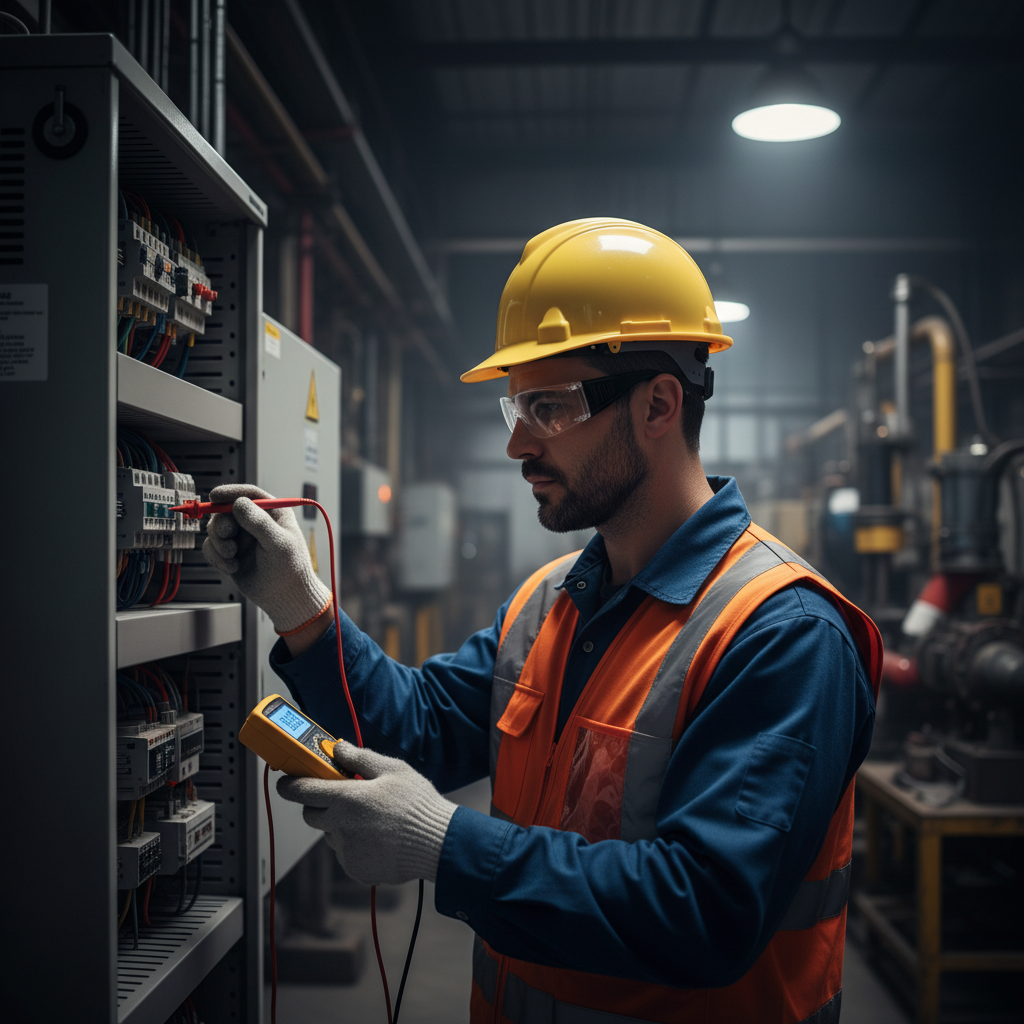
Several common electrical hazards can pose significant risks in your home. Faulty wiring, overloaded circuits, and outdated appliances are just a few examples. It's important to be aware of these issues and take proactive steps to address them.
Overloaded circuits are a frequent cause of electrical fires. Avoid using too many high-wattage appliances on the same circuit, and consider installing additional circuits if necessary. Similarly, be cautious with extension cords and avoid running them under carpets or through doorways.
Safe Practices for Appliance Use
Appliances are a major part of everyday life, but they must be used safely to prevent electrical accidents. Always follow the manufacturer's instructions and keep appliances dry to avoid electric shock. Unplug appliances when not in use, especially if they are prone to overheating.
For larger appliances like refrigerators and washing machines, ensure they are plugged directly into a wall outlet rather than using extension cords. This reduces the risk of overheating and potential fire hazards.

Childproofing Your Home’s Electrical System
If you have children, childproofing your electrical system is essential. Use outlet covers to prevent little fingers from exploring electrical sockets. Additionally, keep cords out of reach and secure them to avoid tripping hazards.
Educate your children about the dangers of electricity and teach them to never play with electrical outlets or appliances. Simple precautions can significantly reduce the risk of electrical accidents involving children.
Handling Electrical Emergencies
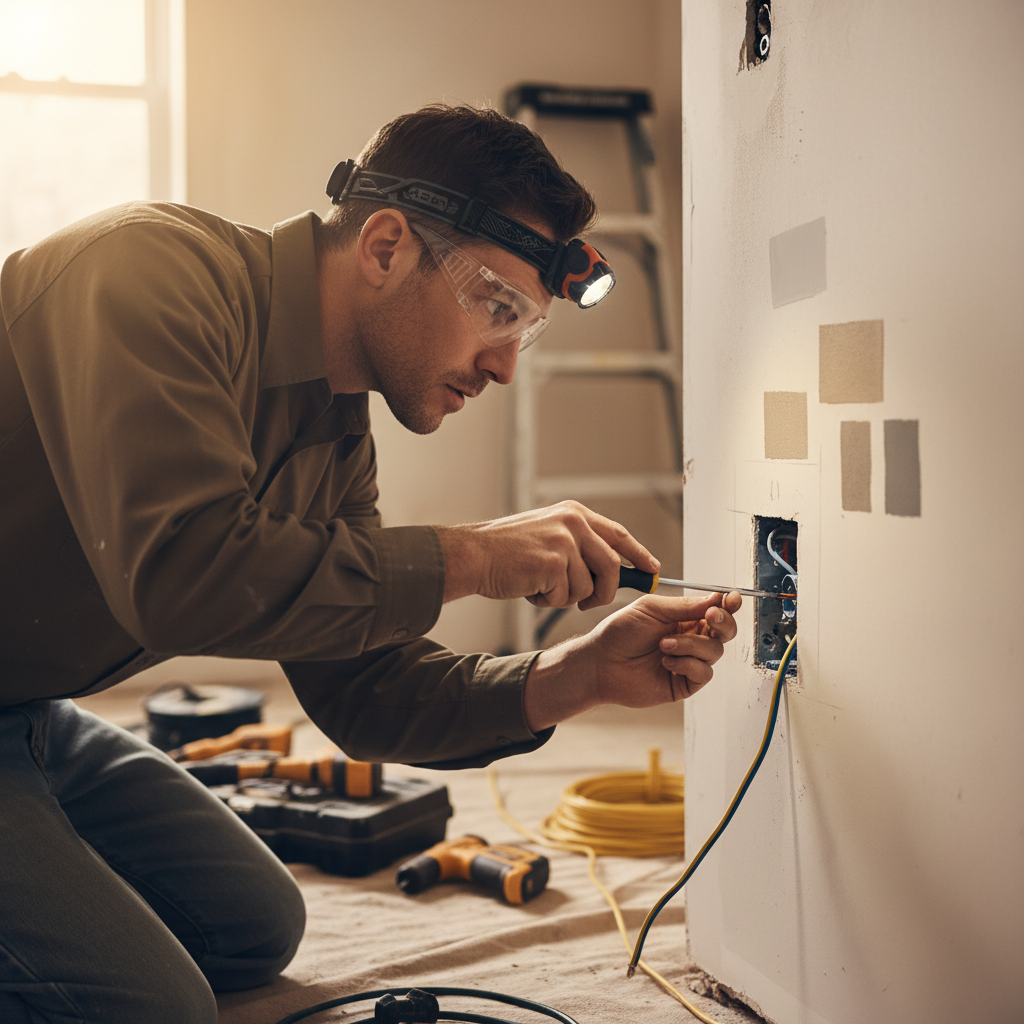
Despite best efforts, electrical emergencies can still occur. Knowing how to respond effectively is crucial. In the event of an electrical fire, never use water to extinguish it, as this can lead to electric shock. Instead, use a fire extinguisher rated for electrical fires.
If someone receives an electric shock, do not touch them directly. Instead, turn off the power source and call emergency services immediately. Being prepared can make all the difference in an emergency situation.
Regular Maintenance and Inspections
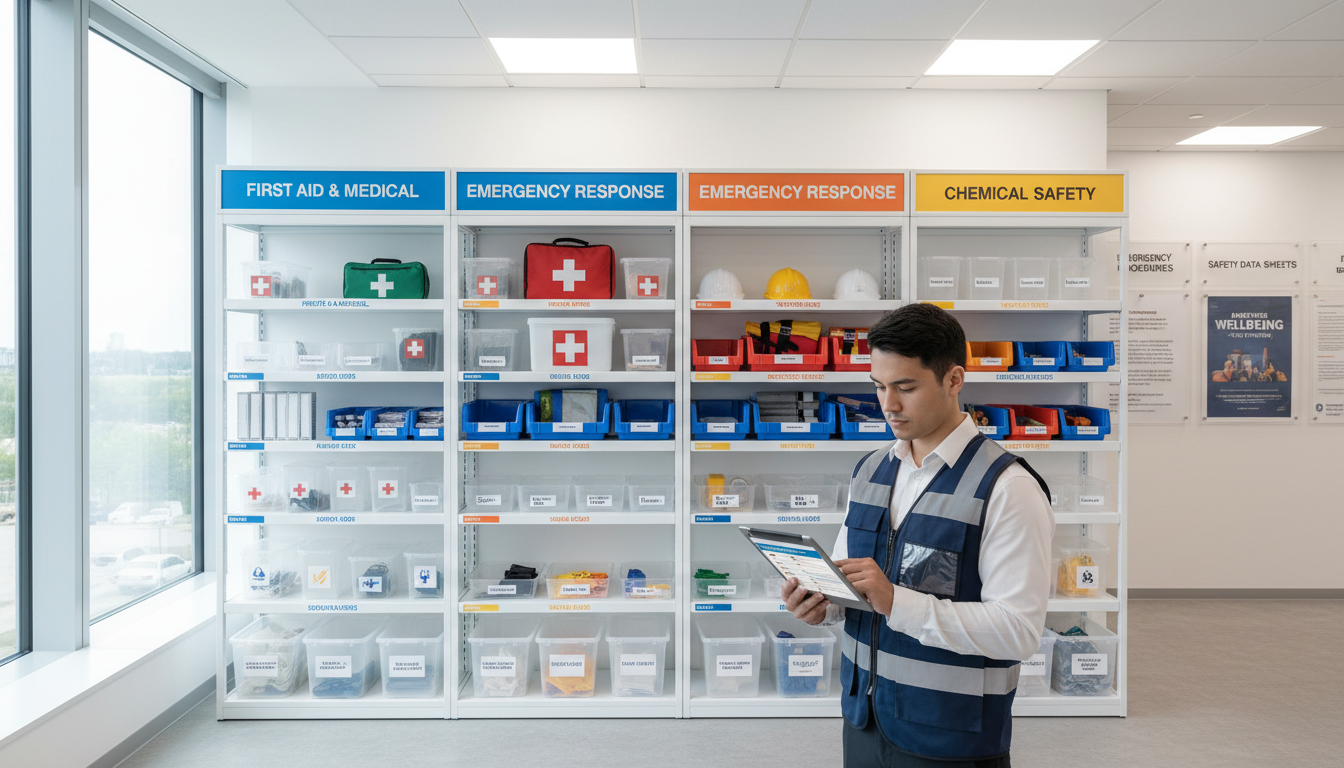
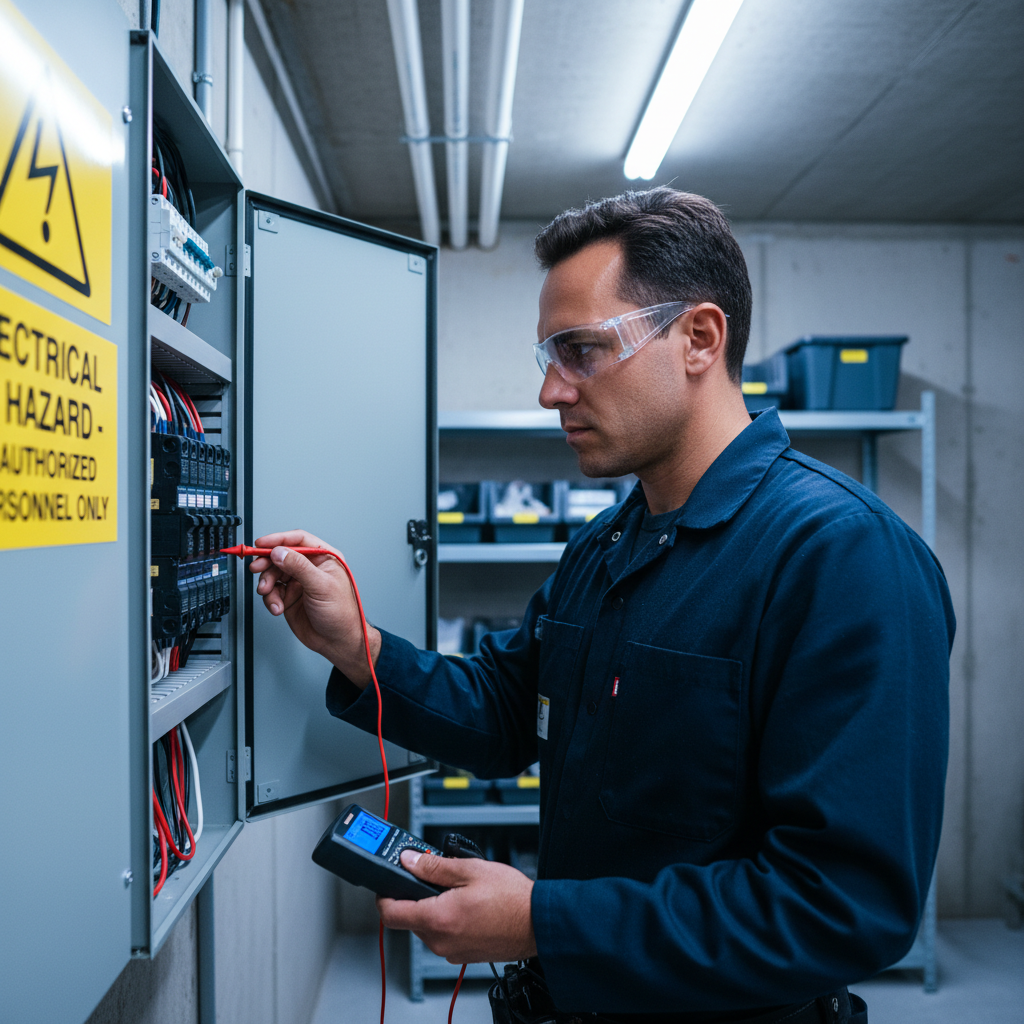
Regular maintenance is key to ensuring the longevity and safety of your home's electrical system. Schedule routine inspections with a qualified electrician to assess the condition of your wiring, outlets, and circuit breakers. This proactive approach can prevent many common electrical problems.
Keep an eye out for warning signs such as flickering lights, frequent circuit breaker trips, or unusual smells from appliances. Addressing these issues promptly can prevent more serious problems down the line.
Conclusion
Electrical safety is a critical aspect of homeownership that should not be overlooked. By understanding the basics, identifying potential hazards, and implementing safe practices, you can create a safer environment for you and your family. Regular maintenance and being prepared for emergencies further contribute to a secure home. Stay informed and proactive to enjoy the benefits of electricity safely.