
Comprehensive Guide to Electrical Safety in Canadian Homes


Understanding the Basics of Electrical Safety
Electricity is an essential part of modern life, powering our homes and devices. However, it's crucial to understand the basics of electrical safety to prevent accidents and ensure a safe living environment. In Canadian homes, regulations and safety standards help maintain a secure electrical system. Familiarizing yourself with these standards is the first step to safeguarding your home.
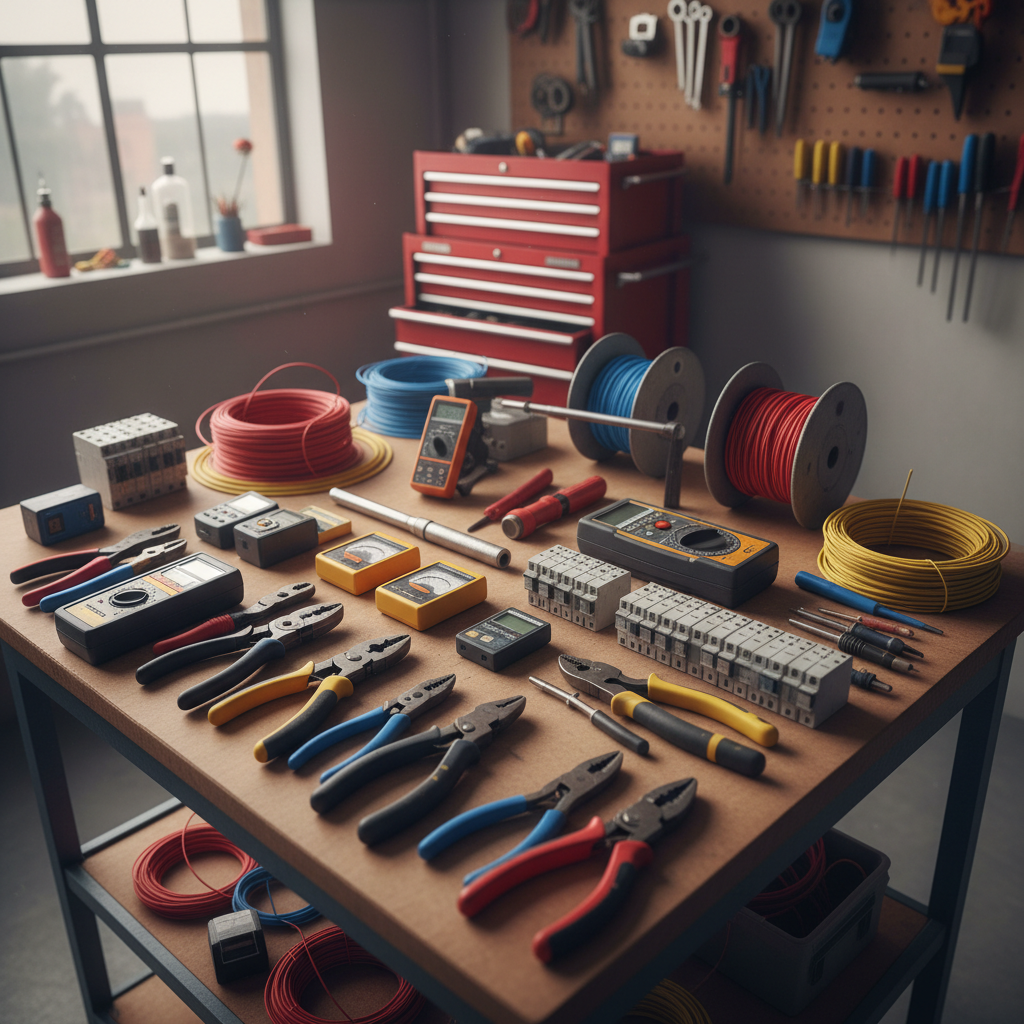
One of the primary safety measures is ensuring that your electrical installations comply with the Canadian Electrical Code. This code provides guidelines for safe electrical design, installation, and inspection, reducing the risk of electrical fires and shocks. Always hire a licensed electrician for any electrical work to ensure compliance with these standards.
Identifying Common Electrical Hazards
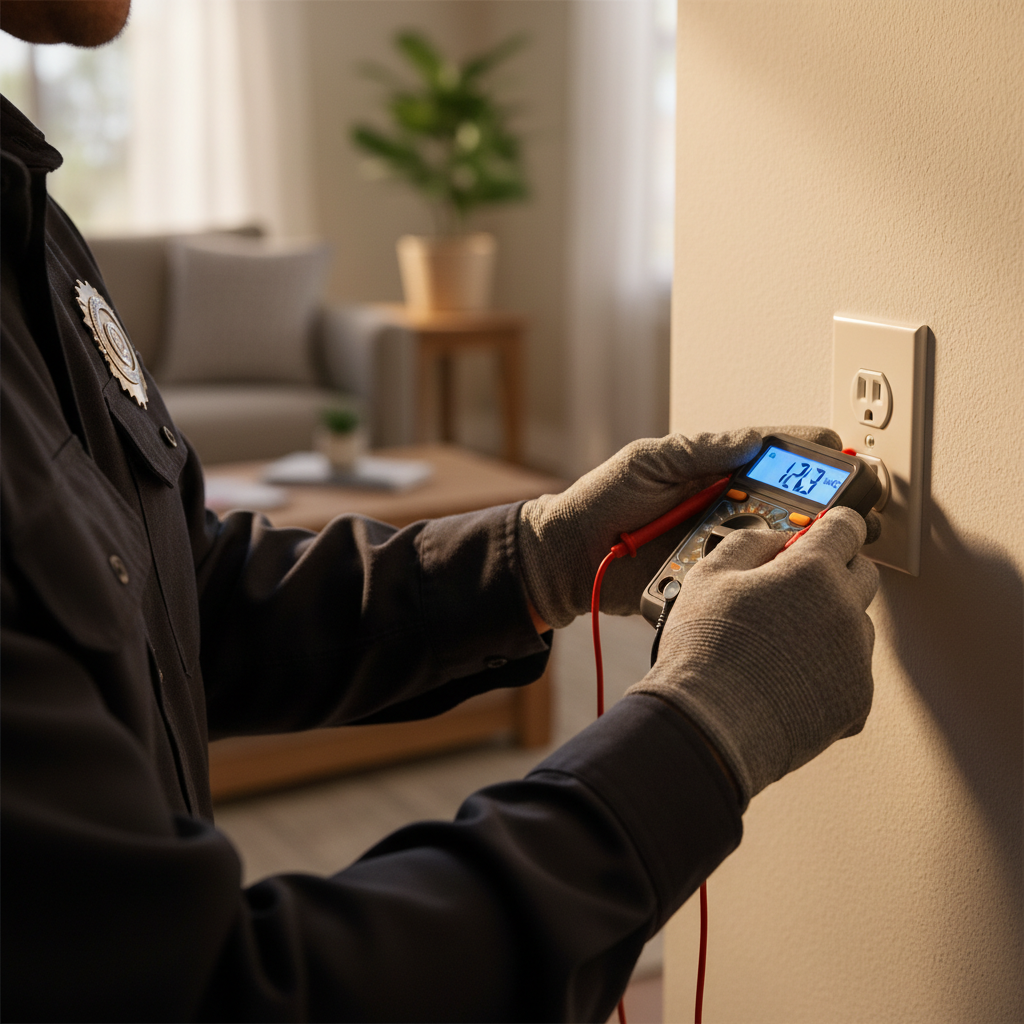
Several common electrical hazards can pose risks in homes. Faulty wiring, overloaded circuits, and outdated electrical systems are typical issues. These problems can lead to electrical fires, shocks, and even severe injuries. Regularly inspecting your home's electrical system can help identify and address these hazards before they become serious.
Another common hazard is the improper use of electrical appliances. Make sure to use appliances according to the manufacturer's instructions, and never use them if they're damaged or malfunctioning. Also, avoid overloading power strips and outlets, which can lead to overheating and fires.
Implementing Preventive Measures
Preventive measures are vital for maintaining electrical safety. One effective strategy is installing Ground Fault Circuit Interrupters (GFCIs) in areas like kitchens and bathrooms, where water is present. GFCIs can detect electrical imbalances and shut off the power, reducing the risk of shocks.
Surge protectors are another essential tool for preventing damage to your electronics during power surges. These devices can shield your appliances from voltage spikes, especially during storms or power outages. It's also wise to have a professional electrician perform an annual inspection of your home's electrical system.
Emergency Preparedness and Response
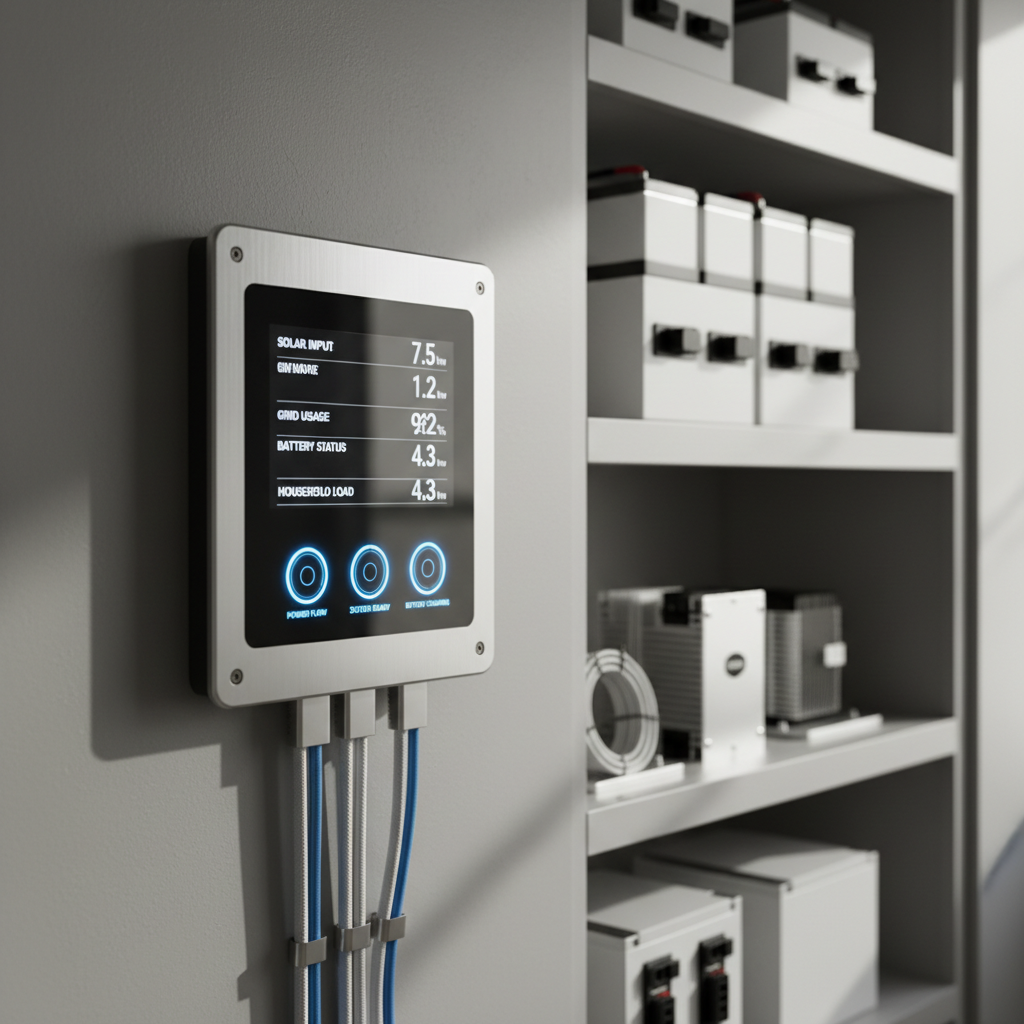
Being prepared for electrical emergencies is just as important as preventing them. Ensure that your home is equipped with smoke detectors and carbon monoxide detectors, and test them regularly. Create an emergency plan with your family, including evacuation routes and contact information for emergency services.
In case of an electrical fire, remember to never use water to extinguish it. Instead, use a Class C fire extinguisher. If you experience an electrical shock, seek medical attention immediately, even if the injuries seem minor.
Conclusion
Electrical safety in Canadian homes is a shared responsibility that requires awareness, preventive measures, and readiness for emergencies. By understanding the basics, identifying hazards, implementing safety precautions, and preparing for emergencies, you can significantly reduce risks and ensure a safe environment for you and your family.