
DIY Electrical Projects: What You Can Do Safely and What to Leave to Professionals


Introduction to DIY Electrical Projects
Embarking on DIY electrical projects can be both exciting and rewarding. Whether you're looking to save money or simply enjoy the satisfaction of completing a project yourself, it's crucial to understand what you can safely tackle. However, some tasks should be left to professionals to ensure safety and compliance.
Simple Projects You Can Do Safely
Replacing Light Fixtures
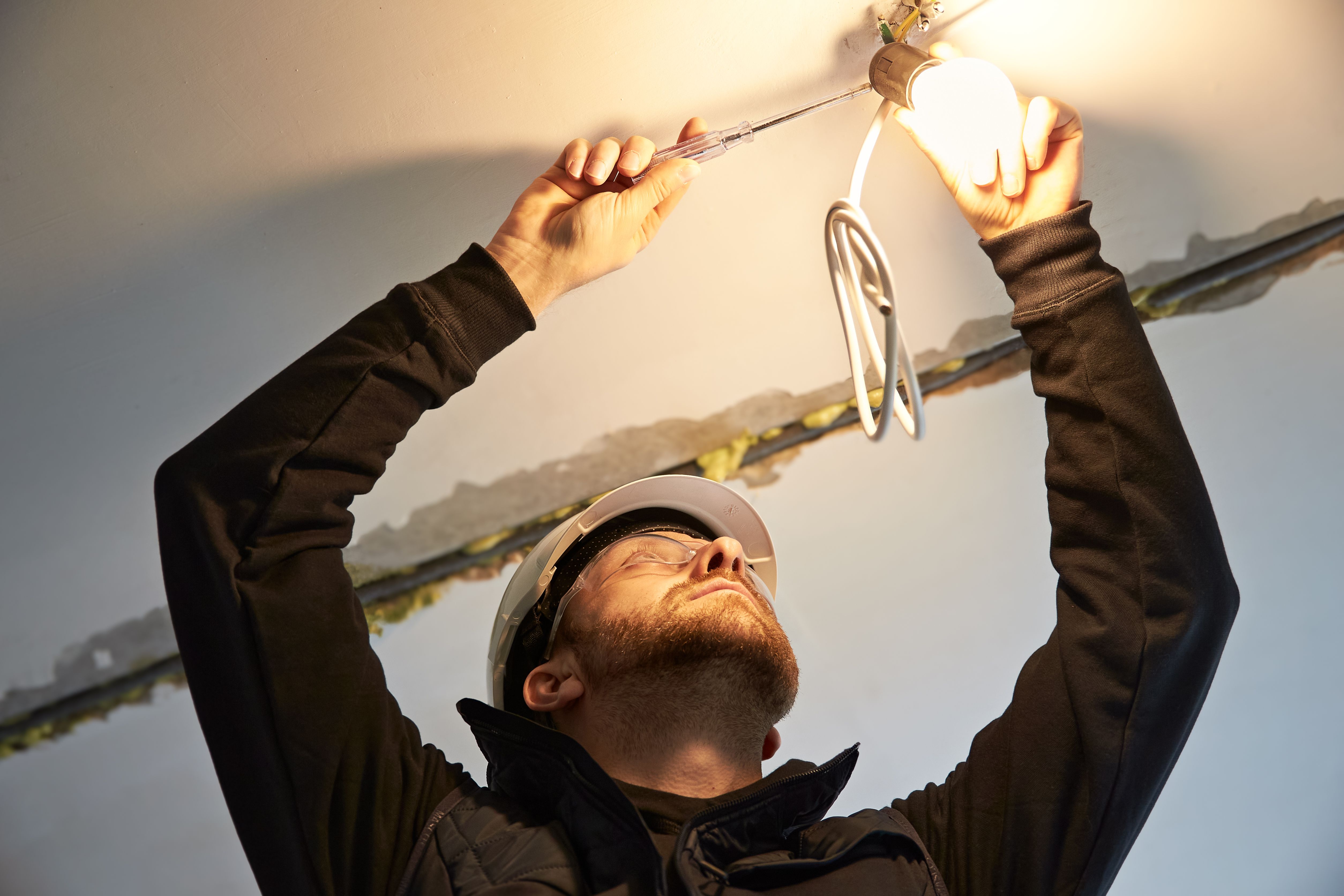
Swapping out old light fixtures is a straightforward project that can refresh your space. Ensure the power is turned off at the breaker before beginning. Follow the manufacturer's instructions, and use a voltage tester to confirm the power is off before touching any wires.
Installing New Switch Plates
Upgrading switch plates is another simple task that requires minimal tools. Remove the current plates and replace them with new ones using a screwdriver. This project is perfect for adding a personal touch to your decor.
Changing Outlets
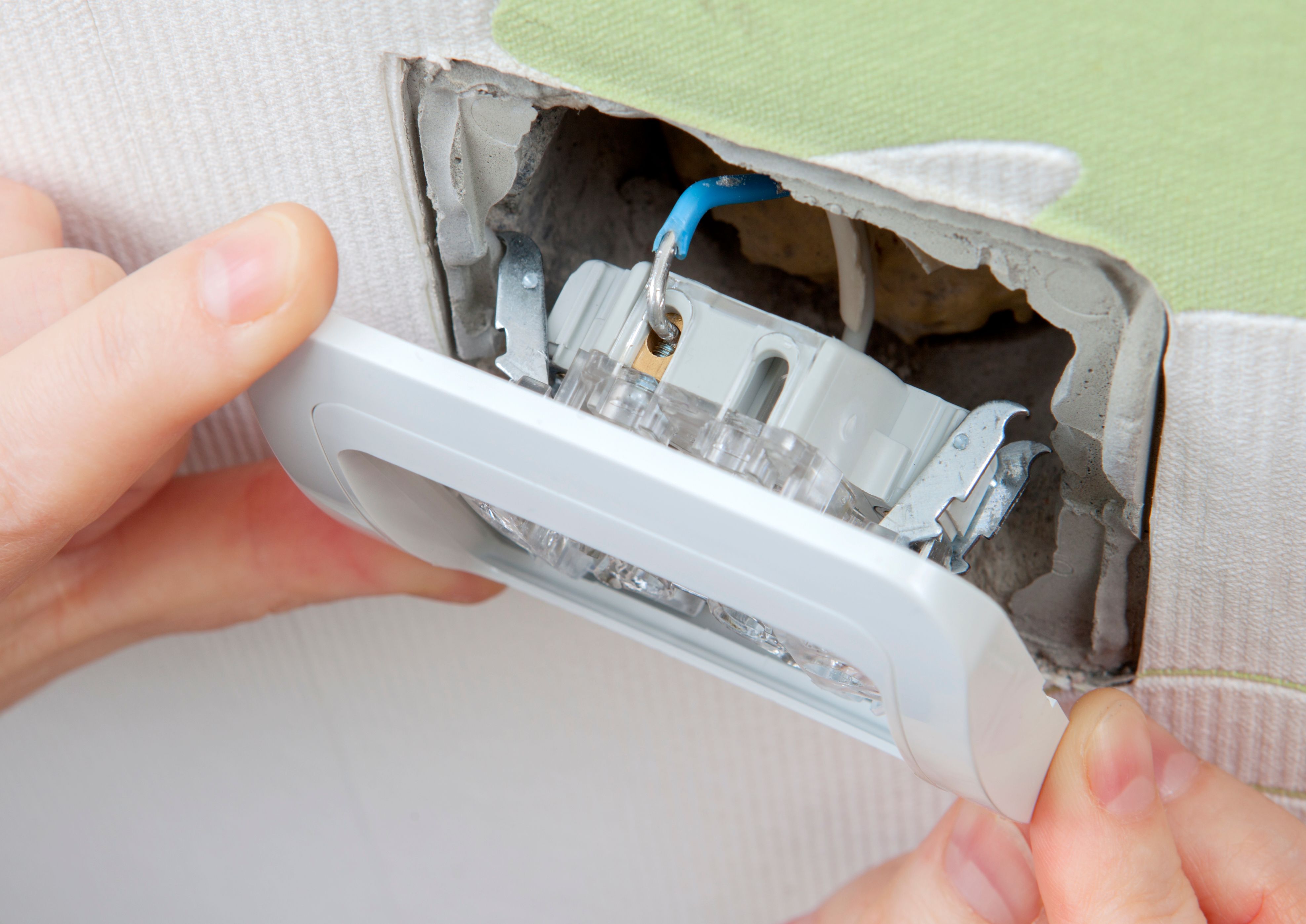
If you have outdated outlets, you can replace them with modern ones, such as USB-integrated outlets. Always turn off the power and double-check with a voltage tester. This update not only improves functionality but also enhances safety.
Considerations Before Starting Any Electrical Project
Before diving into any electrical project, consider your skill level and comfort with electrical systems. Safety should always be your top priority. If you're unsure about any aspect, consult with a professional.
Understanding Local Codes
Familiarize yourself with local electrical codes and regulations. Compliance is crucial, as non-adherence can lead to safety hazards and potential legal issues.
Using the Right Tools
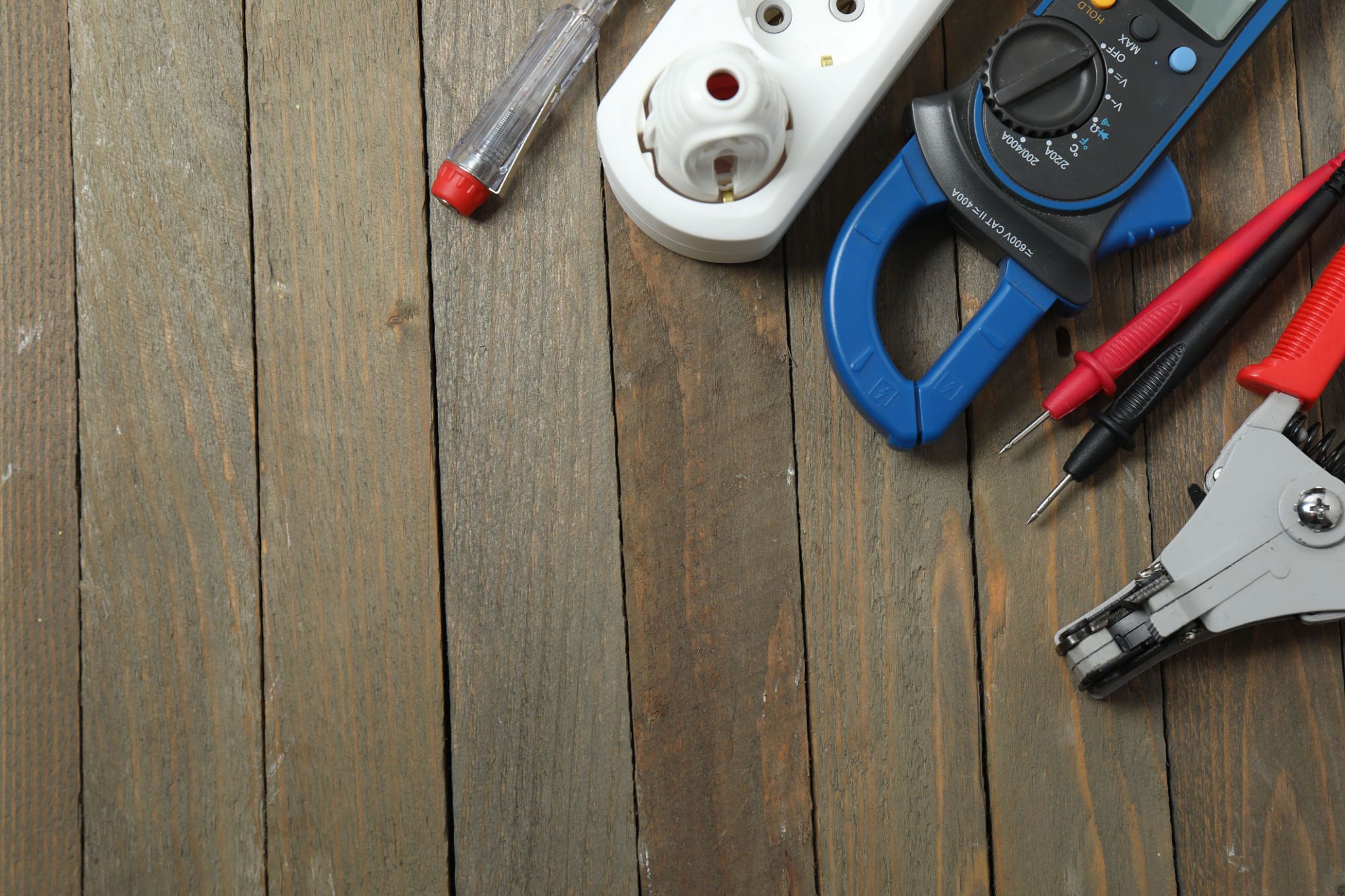
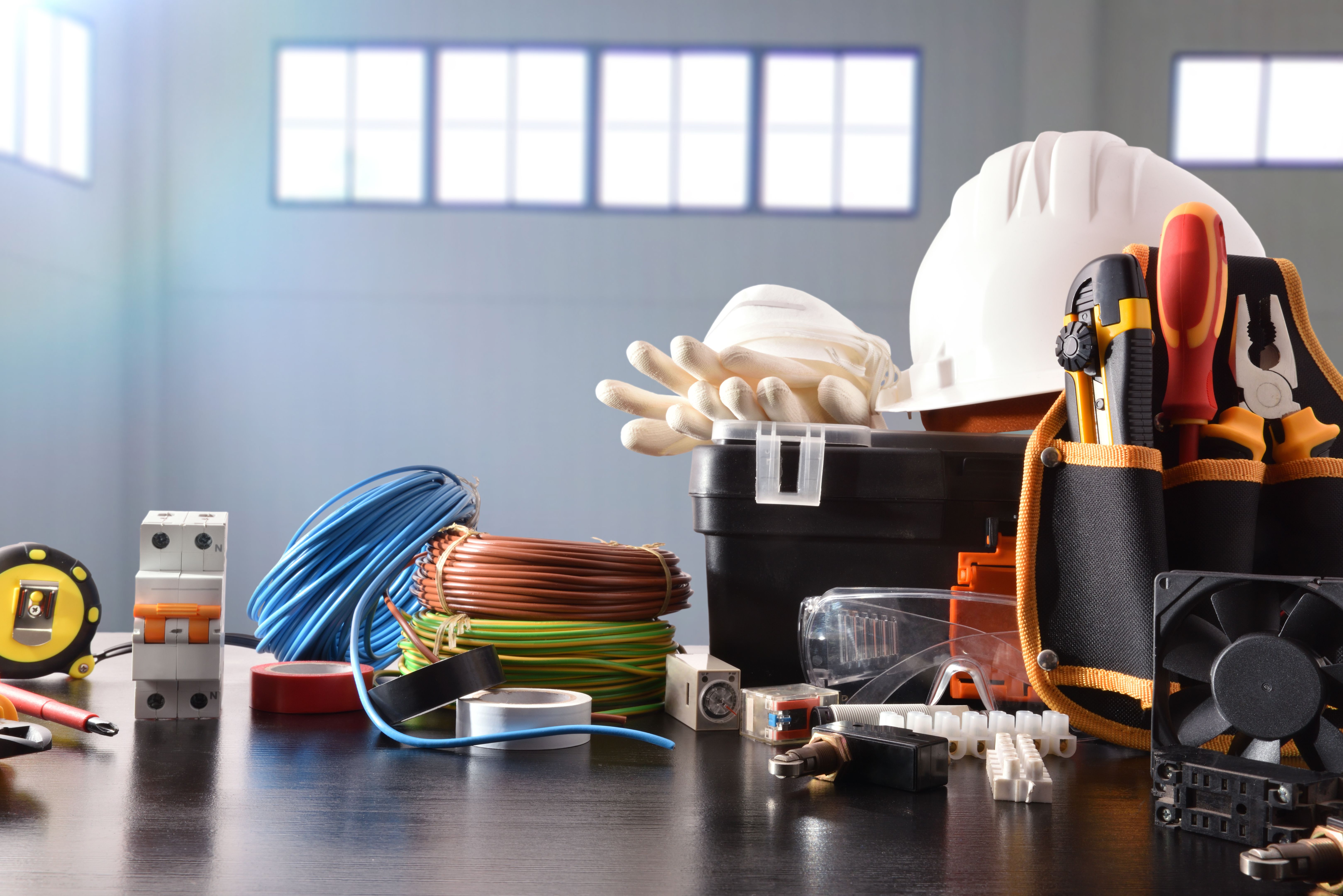
Invest in quality tools designed for electrical work. This includes insulated screwdrivers, wire strippers, and voltage testers. Proper tools not only make the job easier but also safer.
Projects to Leave to Professionals
Rewiring a Home
Rewiring involves complex tasks that require expertise to ensure safety and code compliance. This project is best left to licensed electricians who understand the intricacies of electrical systems.
Installing Circuit Breakers
Installing or upgrading circuit breakers is another task for professionals. It involves working directly with the electrical panel, which can be hazardous if not handled correctly.
Handling Major Appliance Installations
While minor installations are manageable, major appliances like ovens and HVAC systems should be installed by professionals to ensure proper electrical connections and functionality.
Conclusion
Tackling DIY electrical projects can be both fun and beneficial, allowing you to customize your space and learn new skills. However, always prioritize safety and know when to call in the experts. By understanding your limits and the complexities of each task, you can enjoy the best of both worlds.