
How to Safely Perform Basic Electrical Repairs at Home


Understanding Basic Electrical Repairs
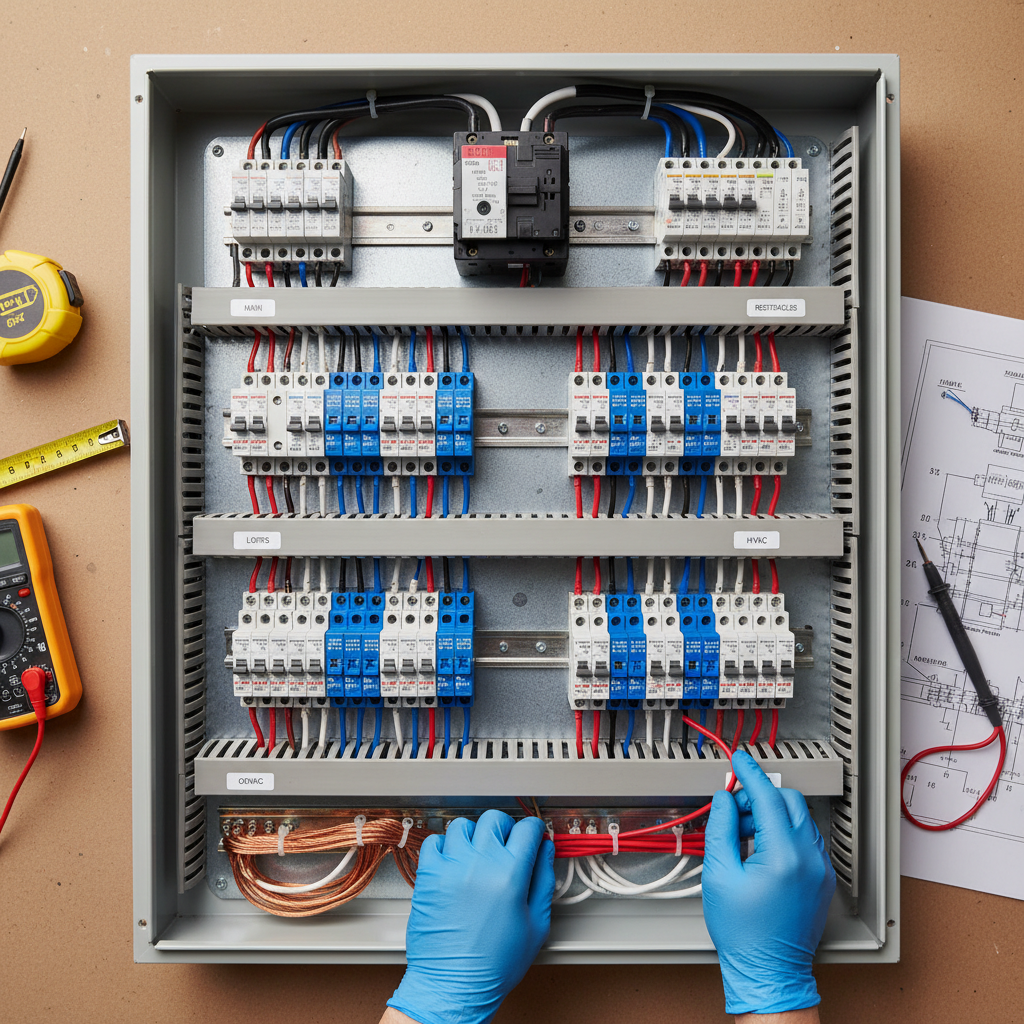
Performing basic electrical repairs at home can be a cost-effective way to address minor issues. However, it's crucial to understand the basics and ensure safety at all times. Before starting any project, familiarize yourself with your home's electrical system and locate the main circuit breaker.
Essential Safety Precautions
Safety should always be your top priority when dealing with electricity. Start by turning off the power at the circuit breaker to the area you’ll be working on. Use a voltage tester to confirm that the power is off. Always wear rubber-soled shoes and avoid working in wet conditions to minimize risk.
Tools You Will Need
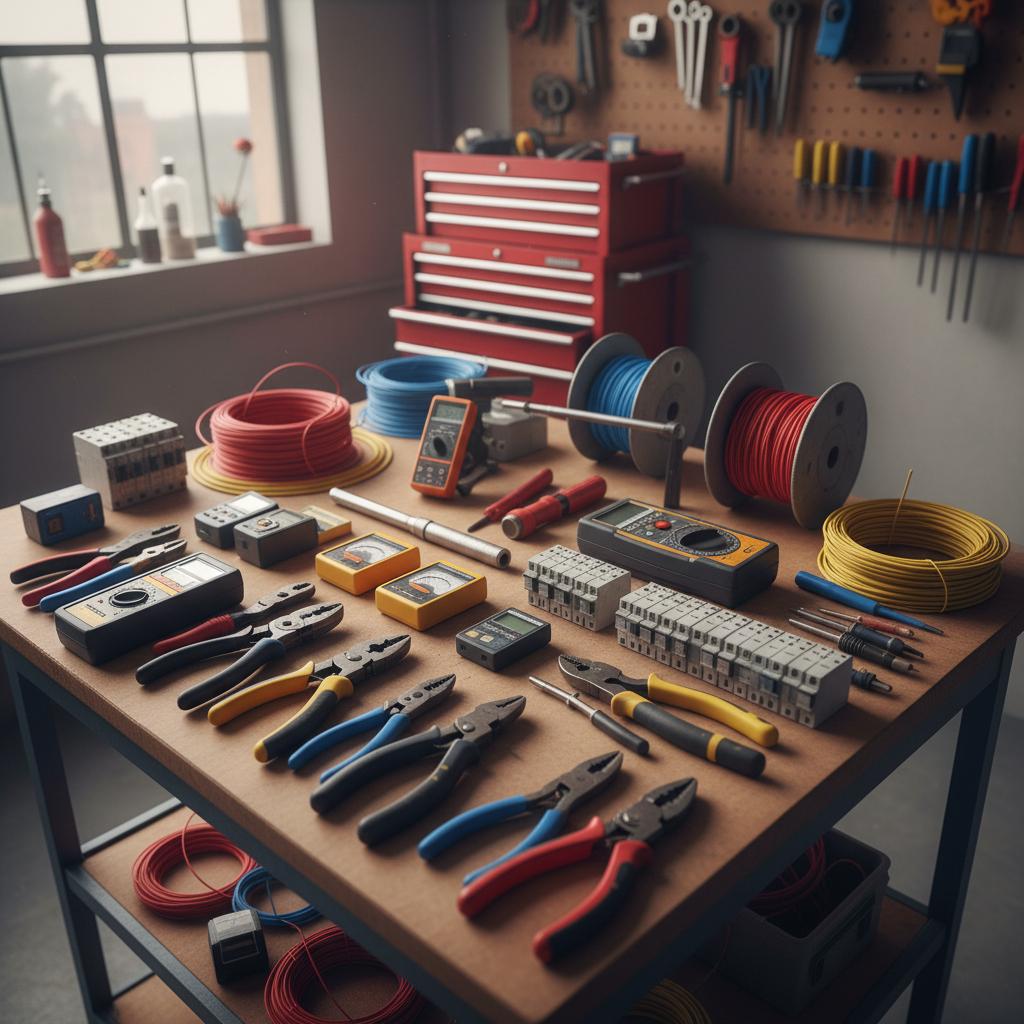
Having the right tools can make your repair process more efficient and safer. Some essential tools include:
- Voltage tester
- Insulated screwdrivers
- Wire strippers
- Needle-nose pliers
Common Electrical Repairs
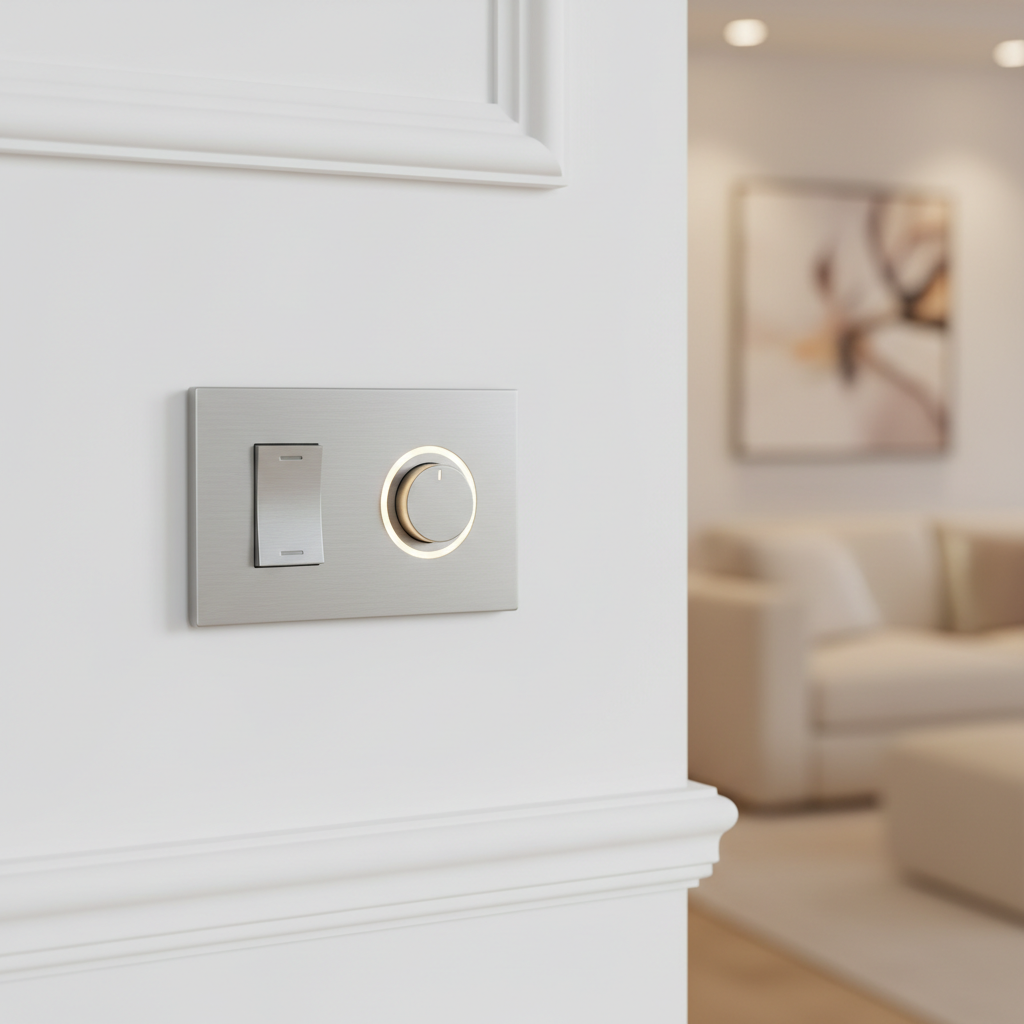
Many homeowners can safely tackle a few common electrical repairs themselves. These include replacing a light switch, changing an outlet, or fixing a loose wire. Always ensure you're using the correct type of replacement parts and follow the instructions carefully.
Step-by-Step Repair Guidelines
Let's go through a basic repair, such as changing a light switch:
- Turn off the power to the switch at the circuit breaker.
- Remove the switch plate and unscrew the existing switch.
- Carefully disconnect the wires and attach them to the new switch.
- Screw the new switch into place and replace the switch plate.
- Turn the power back on and test the switch.
When to Call a Professional
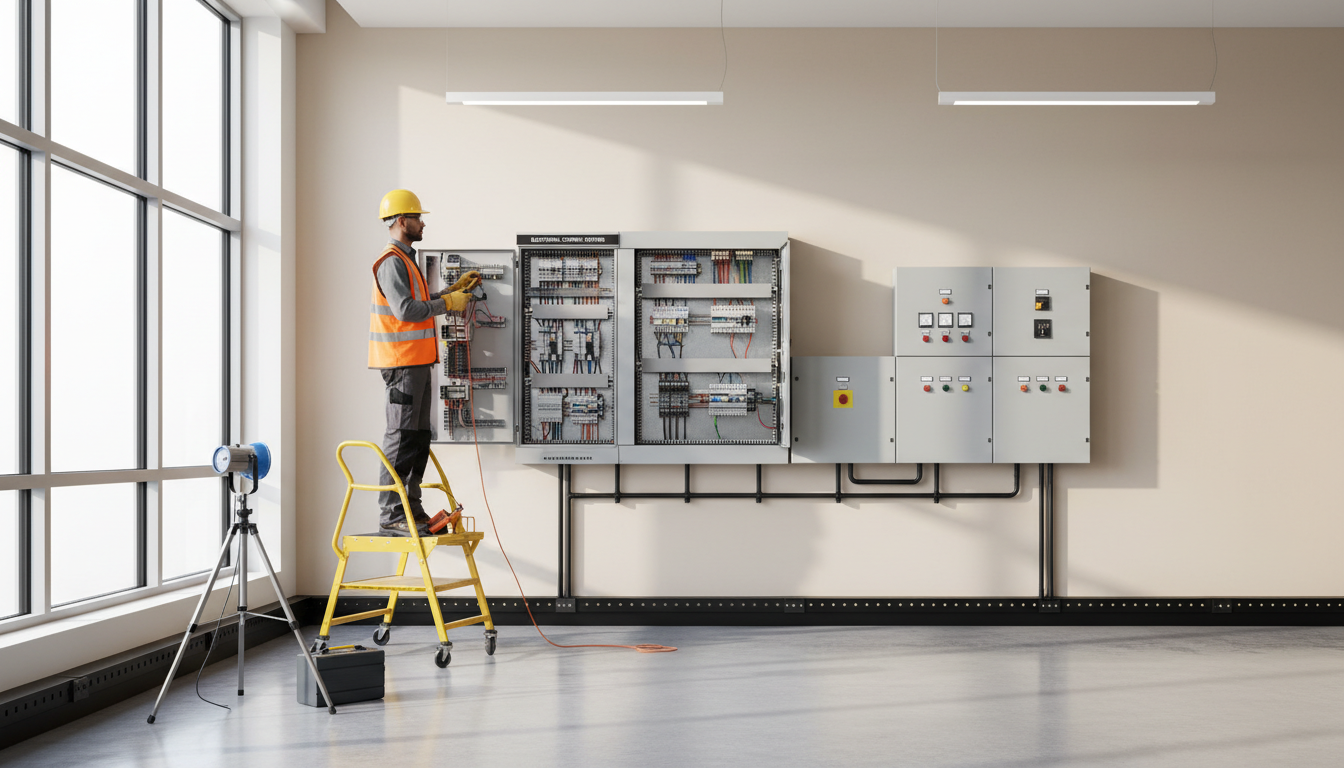
While basic repairs can often be handled on your own, there are times when professional help is necessary. If you're dealing with complicated wiring, frequent circuit breaker trips, or any burning smells, contact a licensed electrician immediately. Never attempt repairs beyond your comfort level.
Maintaining Your Electrical System
Regular maintenance can prevent many common electrical issues. Routinely check outlets and switches for signs of wear and replace any damaged components. Ensuring that your circuit breaker is appropriately labeled can also save you time and stress during repairs.
Conclusion
By following these guidelines, you can safely perform basic electrical repairs at home, saving time and money. Always prioritize safety and know your limits. With the right tools and precautions, you can effectively manage minor electrical issues in your home.