
The Ultimate Guide to Electrical Safety for Canadian Homes


Understanding Electrical Safety
Electrical safety is a critical aspect of home maintenance that often gets overlooked. In Canada, where the climate can be harsh, ensuring your home's electrical systems are safe is essential. Whether you're a homeowner or a renter, understanding the basics of electrical safety can prevent accidents and save lives.
Common Electrical Hazards
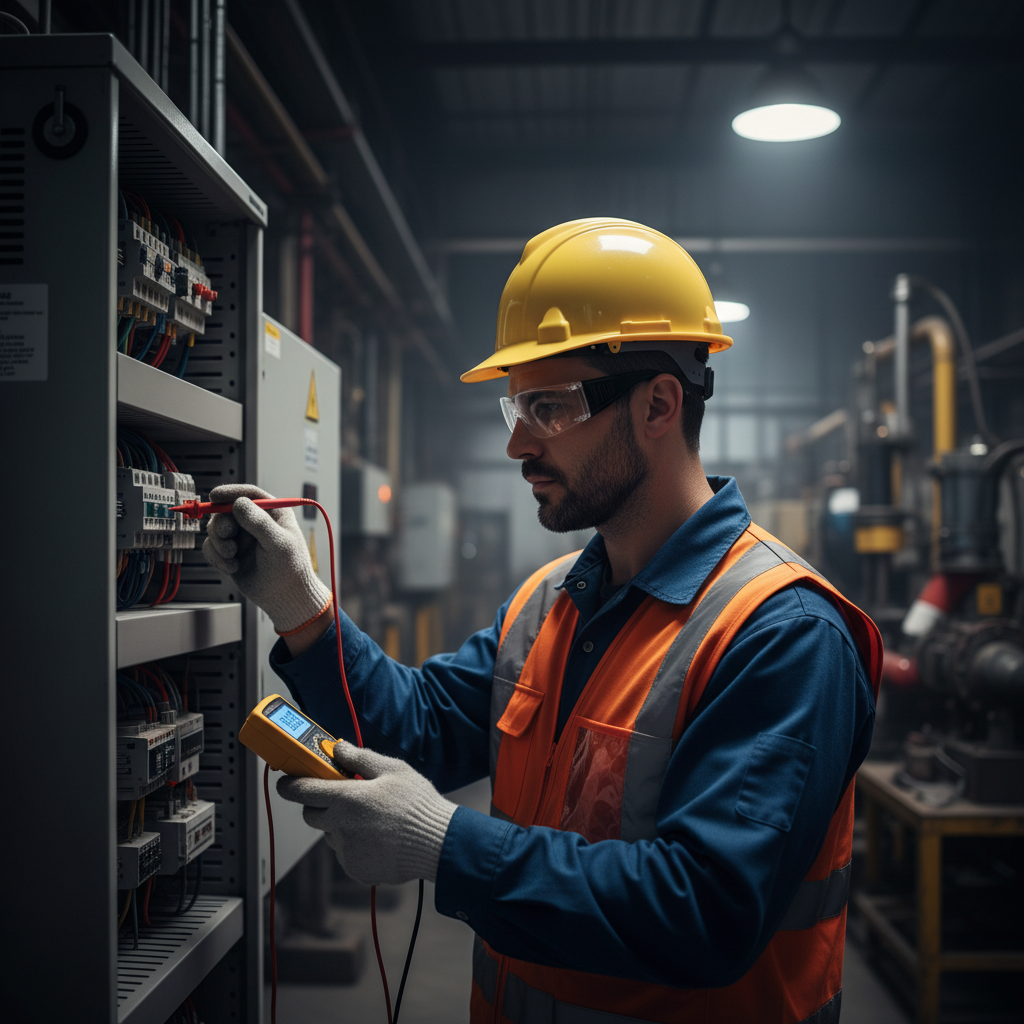
Being aware of common electrical hazards is the first step to ensuring safety. These hazards include overloaded outlets, faulty wiring, and outdated electrical panels. Overloading outlets can lead to overheating, which is a common cause of electrical fires. Faulty wiring, on the other hand, can cause shocks and short circuits.
Outdated electrical panels might not be able to handle the electrical load of modern appliances. Regular inspections by a certified electrician can help identify these issues before they become serious problems.
Preventive Measures
Taking preventive measures can significantly reduce the risk of electrical accidents. Here are some steps you can take:
- Install Ground Fault Circuit Interrupters (GFCIs) in areas prone to moisture like kitchens and bathrooms.
- Replace damaged cords immediately to prevent electrical shocks.
- Keep electrical appliances away from water sources.
Safe Installation Practices
When installing new electrical appliances or fixtures, always follow the manufacturer's instructions. Hiring a professional electrician ensures that installations meet Canadian electrical code requirements. This not only guarantees your safety but also increases the longevity of your electrical systems.
Additionally, always use the correct wattage for light bulbs. Using a higher wattage than recommended can cause overheating and potential fire hazards.
Understanding Electrical Panels
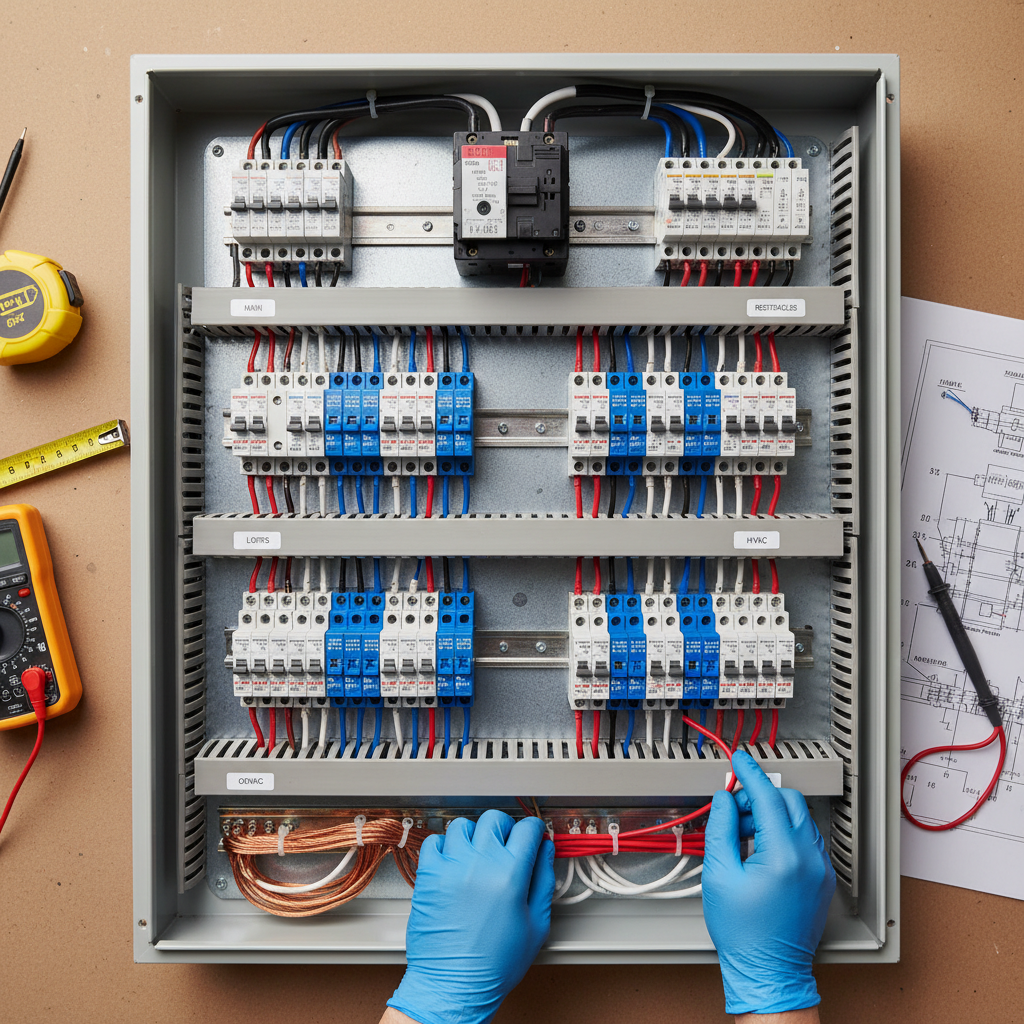
Your home's electrical panel is the heart of your electrical system. Understanding how it works and when it needs an upgrade is crucial. If your panel frequently trips or is warm to the touch, it might be time for an upgrade.
Consulting with a professional can provide insights into whether your panel can handle your home's electrical needs or if a replacement is necessary.
Emergency Preparedness
Despite all precautions, emergencies can still occur. Being prepared can make a significant difference. Ensure that all family members know how to turn off the main power in case of an emergency. Keep a fire extinguisher rated for electrical fires on hand and ensure that everyone knows how to use it.
Regularly test smoke detectors and replace batteries as needed to ensure they're functioning correctly.
Conclusion
Electrical safety in Canadian homes is not just about compliance; it's about protecting your family and property. By understanding common hazards, taking preventive measures, and being prepared for emergencies, you can create a safer home environment.