
Top Electrical Safety Tips for Canadian Winters


Understanding the Risks of Winter Electricity Use
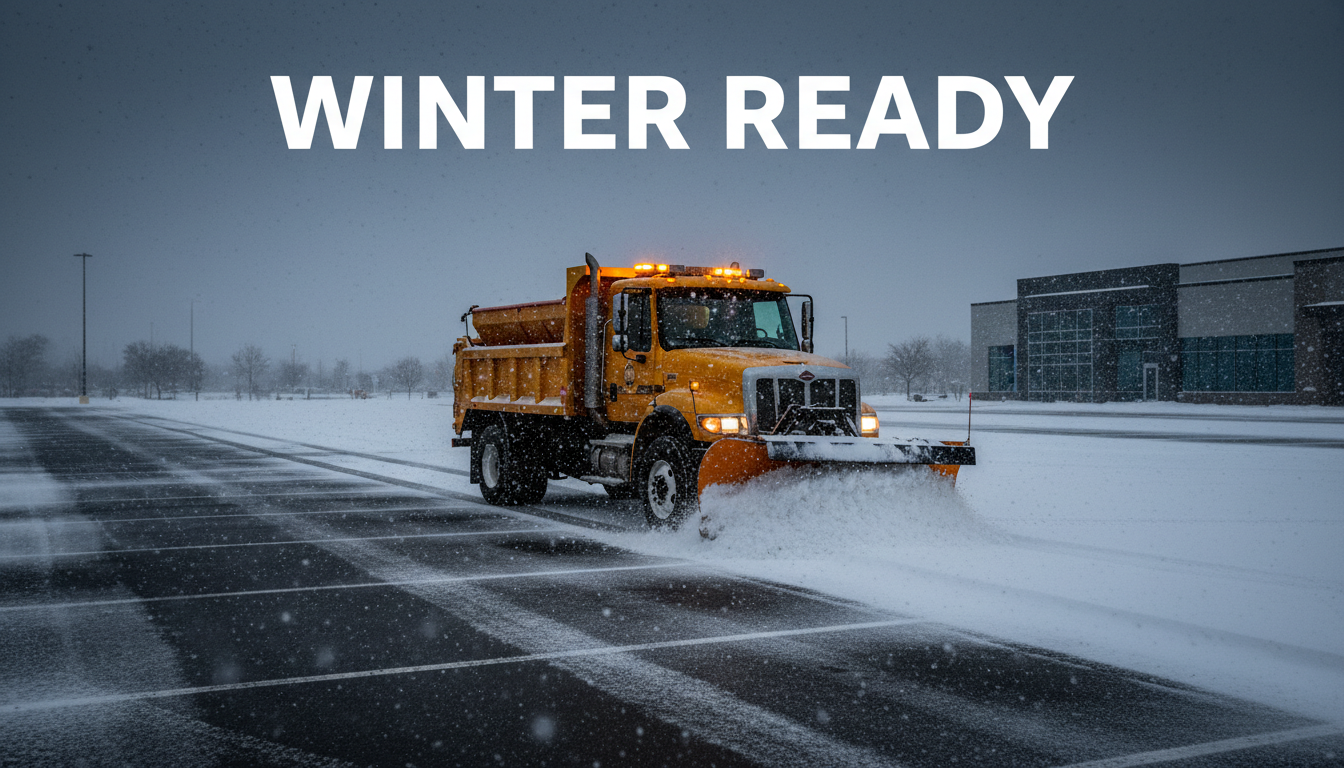
Canadian winters are known for their harsh conditions, which can pose unique challenges when it comes to electrical safety. With heavy snowfall, ice storms, and freezing temperatures, it’s crucial to understand the risks associated with winter electricity use. Homeowners need to be particularly vigilant to prevent accidents and ensure their safety.
Electricity consumption tends to increase during the winter months due to the need for heating and lighting. This increased usage, combined with the potential for weather-related disruptions, makes it essential to follow safety guidelines to protect yourself and your home.
Inspecting and Maintaining Electrical Systems
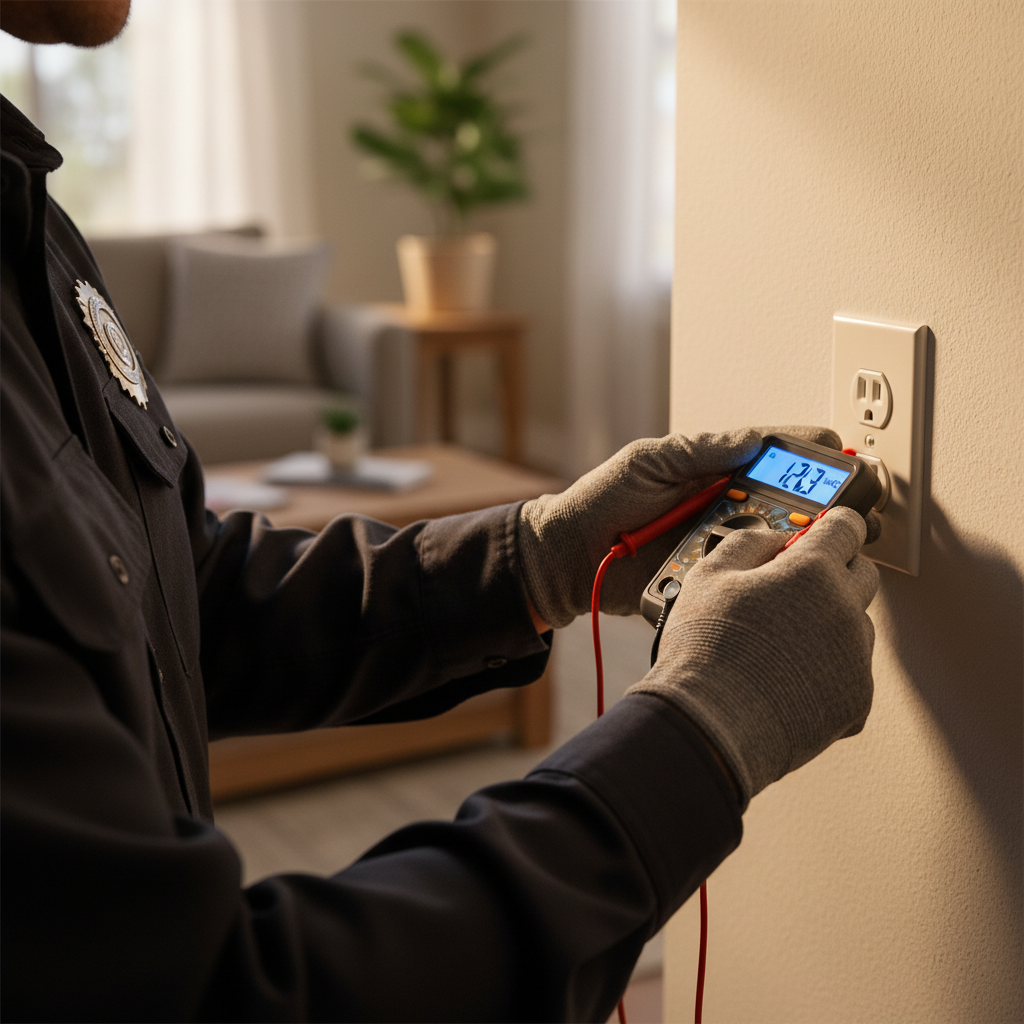
Before winter sets in, it's important to inspect and maintain your home's electrical systems. Check for any exposed wires, faulty outlets, or outdated electrical panels. Hiring a licensed electrician to conduct a thorough inspection can help identify potential issues and ensure everything is up to code.
Regular maintenance of heating systems is also vital. Ensure that your space heaters, electric blankets, and other heating devices are functioning properly. Look for any signs of wear or damage, and replace them if necessary to avoid fire hazards.
Using Heating Devices Safely
Heating devices, such as space heaters, are commonly used during Canadian winters. To use them safely, keep them at least three feet away from any flammable materials like curtains or bedding. Always turn off heaters when leaving the room or going to sleep.
Ensure that your heating devices have a safety certification mark, which indicates they have been tested and meet safety standards. Avoid using extension cords with space heaters, as they can overheat and cause fires.
Preventing Electrical Overloads
With the increased use of electrical devices in winter, overloading circuits becomes a common issue. To prevent this, distribute your electrical load by using multiple outlets. Avoid plugging too many devices into a single outlet or power strip.
Consider installing surge protectors to protect your electronics from voltage spikes, especially during storms. This can prevent damage to your devices and reduce the risk of electrical fires.

Outdoor Electrical Safety
Winter weather can also affect outdoor electrical safety. Ice and snow accumulation on power lines can lead to outages and dangerous conditions. Stay clear of downed power lines and report them immediately to your local utility company.
If you use outdoor electrical decorations, ensure they are rated for outdoor use and are equipped with ground fault circuit interrupters (GFCIs). This will help prevent electrical shocks and short circuits in wet conditions.
Emergency Preparedness and Safety Kits
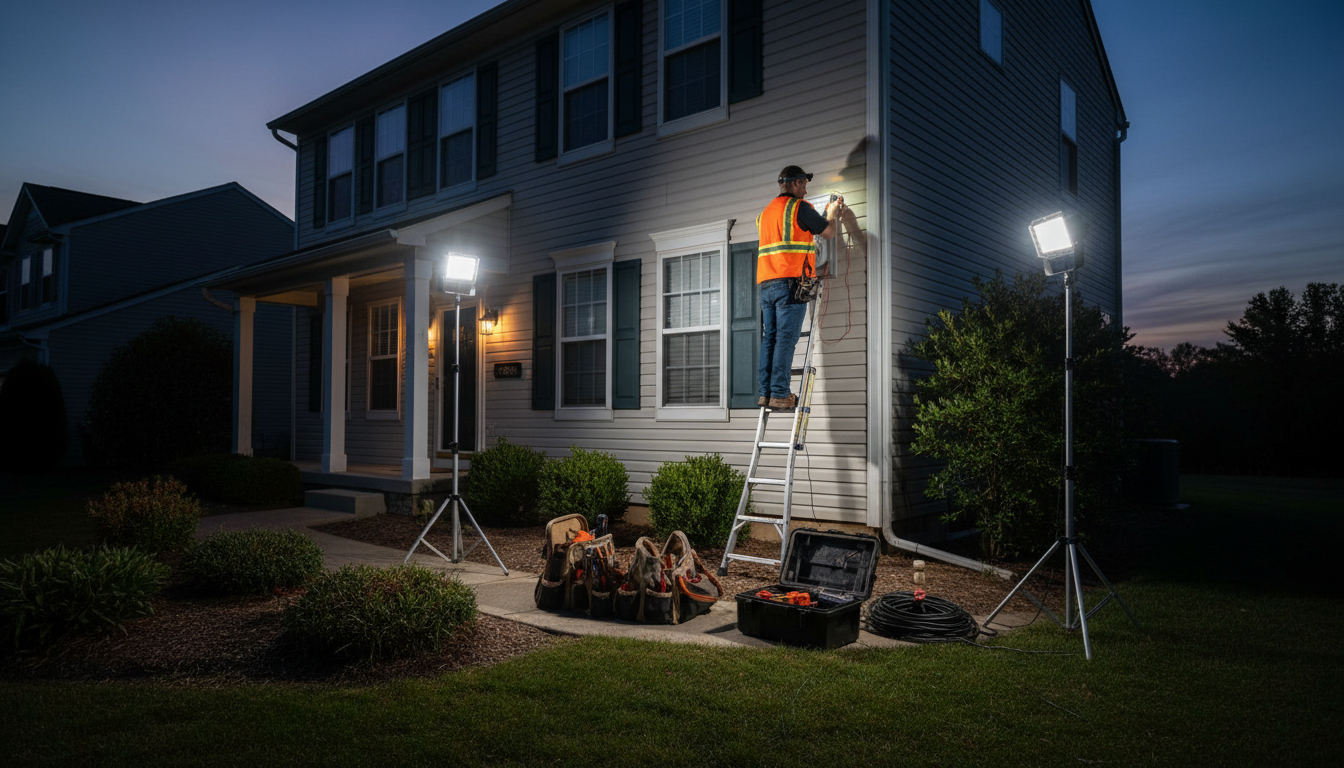
Being prepared for power outages is a key aspect of winter electrical safety. Keep a safety kit with flashlights, batteries, and a battery-powered radio. This will ensure you have access to light and important information during an outage.
Consider investing in a backup generator for prolonged power outages. Ensure it is installed correctly and used in a well-ventilated area to prevent carbon monoxide poisoning.
Educating Your Family
Finally, educating your family about electrical safety is crucial. Teach children the dangers of electricity and the importance of handling electrical devices responsibly. Make sure everyone in the household knows where the main electrical panel is located and how to turn off the power if necessary.
By taking these precautions and staying informed, you can enjoy a safe and warm winter season in Canada. Prioritizing electrical safety not only protects your home but also ensures the well-being of your loved ones.