
Understanding the Latest Trends in Smart Home Electrical Systems


Introduction to Smart Home Electrical Systems
In recent years, smart home technology has transformed the way we interact with our living spaces. From voice-controlled lighting to automated security systems, the integration of technology in our homes is becoming increasingly sophisticated. Understanding the latest trends in smart home electrical systems can help homeowners make informed decisions about their upgrades.
Smart home electrical systems are designed to enhance convenience, efficiency, and security. As technology evolves, these systems are becoming more accessible and easier to use, offering a plethora of options for users to customize their living environments.
Integration and Connectivity
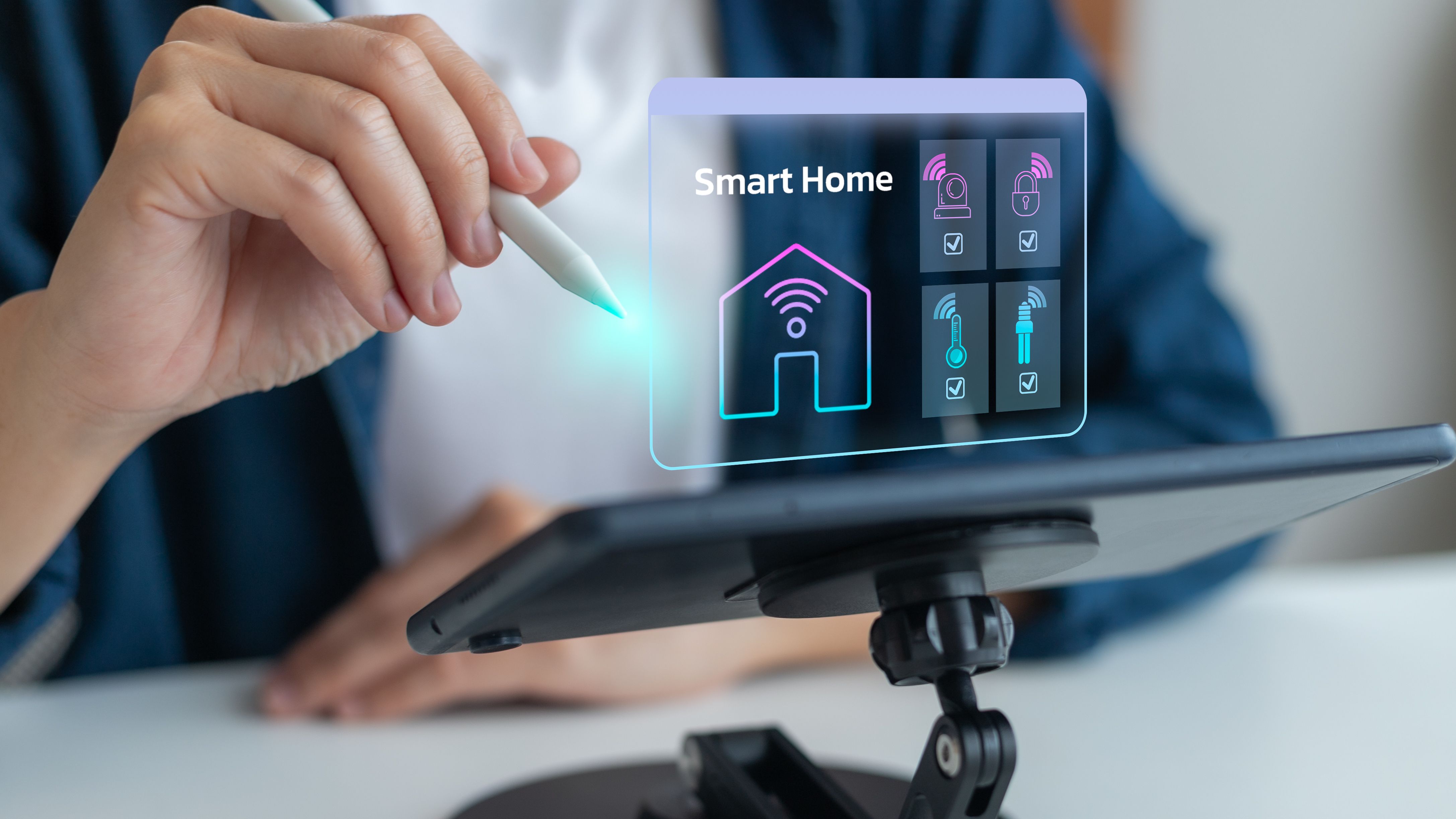
One of the most significant trends in smart home electrical systems is the emphasis on integration and connectivity. Modern systems are designed to work seamlessly together, allowing users to control various aspects of their home through a single interface.
Centralized Control Hubs
Centralized control hubs are becoming commonplace in smart homes. These hubs allow users to manage lighting, security, heating, and more from a single device. This integration not only simplifies the user experience but also enhances the efficiency of the system.
Voice Assistants
Voice assistants like Amazon Alexa and Google Assistant are playing a crucial role in smart home integration. By using voice commands, homeowners can easily control their smart devices, making daily tasks more convenient and hands-free.

Energy Efficiency and Sustainability
As environmental concerns continue to grow, energy efficiency and sustainability are becoming key focuses in smart home electrical systems. These systems are designed to reduce energy consumption and promote sustainable living practices.
Smart Lighting
Smart lighting systems use sensors and timers to adjust lighting based on occupancy and natural light availability. This not only reduces energy usage but also extends the lifespan of light bulbs, contributing to more sustainable living.
Energy Monitoring
Energy monitoring tools are now integrated into smart home systems, allowing users to track their energy consumption in real-time. This information empowers homeowners to make informed decisions about their energy usage and reduce their carbon footprint.

Enhanced Security Features
Security is a major concern for homeowners, and smart home electrical systems are providing innovative solutions to enhance safety. These systems offer a variety of features designed to protect homes and provide peace of mind.
Smart Surveillance Cameras
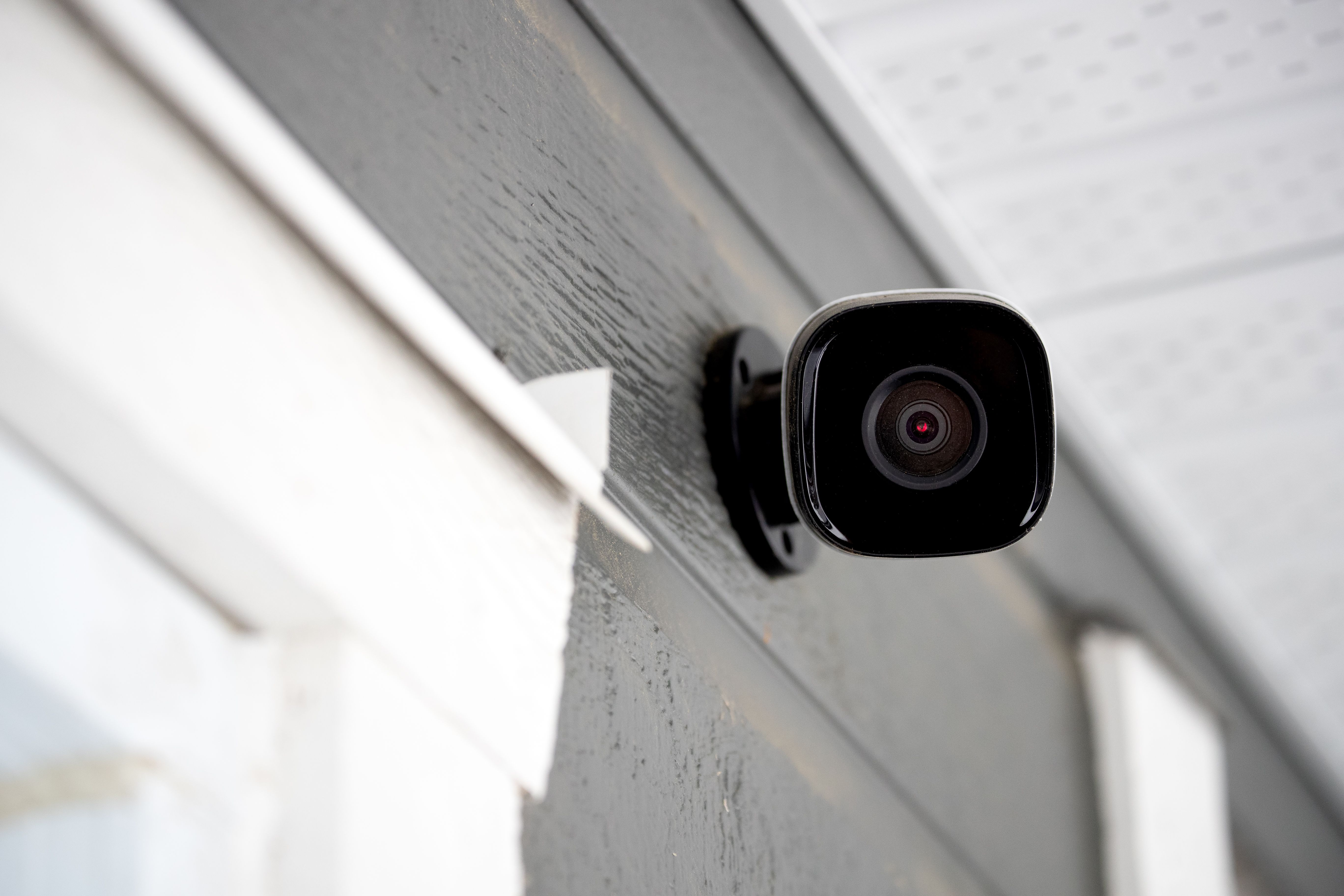
Smart surveillance cameras offer real-time monitoring and alerts, allowing homeowners to keep an eye on their property from anywhere. Advanced features like facial recognition and motion detection provide an additional layer of security.
Automated Locks and Alarms
Automated locks and alarms provide enhanced security by allowing homeowners to control access to their property remotely. These systems can be programmed to send alerts in case of unauthorized access, ensuring comprehensive protection.
Conclusion
The evolution of smart home electrical systems is paving the way for more connected, efficient, and secure living environments. By staying informed about the latest trends, homeowners can make strategic decisions to enhance their homes and lifestyles.
As technology continues to advance, the possibilities for smart home systems are endless, promising a future where homes are not just places to live but integrated ecosystems that work for us.